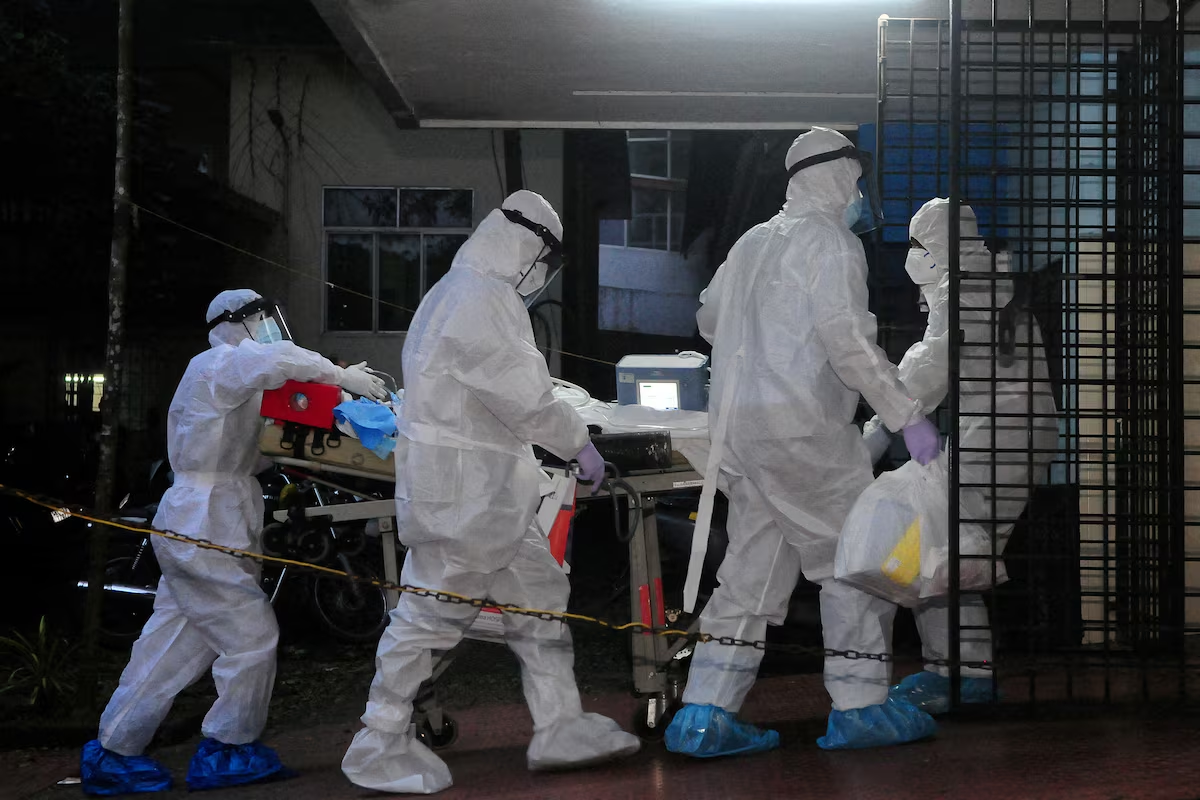
Source Reuters
The World Health Organization (WHO) has said that the risk posed by the Nipah virus in India remains low, citing the absence of any evidence indicating sustained human-to-human transmission. The statement comes amid heightened vigilance following isolated cases reported in the country.
According to the WHO, Indian health authorities have responded swiftly by implementing containment measures, including contact tracing, isolation of affected individuals, and enhanced surveillance in the identified areas. These steps have so far prevented further spread of the virus beyond close contacts.
Health experts noted that while Nipah virus infections are serious and can be fatal, outbreaks in India have historically been limited and effectively controlled through timely public health interventions. The WHO emphasized that there is currently no indication of community-level transmission.
The organization also praised India’s disease surveillance and response systems, stating that coordination between state and central health agencies has been crucial in managing the situation. Laboratory testing and monitoring of suspected cases are ongoing to ensure early detection of any new infections.
The WHO advised the public to remain calm but vigilant, follow health advisories, and avoid misinformation. It reiterated that basic precautions, early reporting of symptoms, and cooperation with health authorities are key to keeping the risk low.
Indian officials have reaffirmed that the situation is under control and that there is no cause for panic, as efforts continue to closely monitor developments and safeguard public health.