Source The Hindu
A crucial sea route that carries a large portion of the world’s daily oil supply could soon reopen. Iran announced that it is considering a fast-tracked, two-day plan to allow commercial ships back through the Strait of Hormuz—provided the United States agrees to its terms.
The announcement marks a potential breakthrough in high-stakes negotiations and comes after months of soaring tension in the Middle East.
How the Two-Day Plan Works
Iranian Foreign Minister Abbas Araghchi outlined the proposal during diplomatic talks facilitated by mediators in Qatar:
Day One: The United States would fulfill a specific set of initial demands agreed upon during indirect discussions.
Day Two: Iran would clear the passage, allowing global tankers and cargo vessels to resume normal transit through the waterway.
Iran had previously offered a slower, seven-day timeline. Officials in Tehran noted that cutting the proposed window down to just 48 hours is meant to demonstrate a willingness to resolve the standoff quickly.
What Tehran Is Demanding
The proposal is not an open door without strings attached. Before maritime traffic can resume smoothly, Iran is asking Washington to:
Lift shipping and port restrictions imposed on Iranian docks.
Release frozen financial assets.
Formally recognize an alternative shipping route arranged between Iran and Oman.
Scale back recent sanctions and reduce U.S. military presence across the region.
Why This Waterway Matters to Everyday Consumers
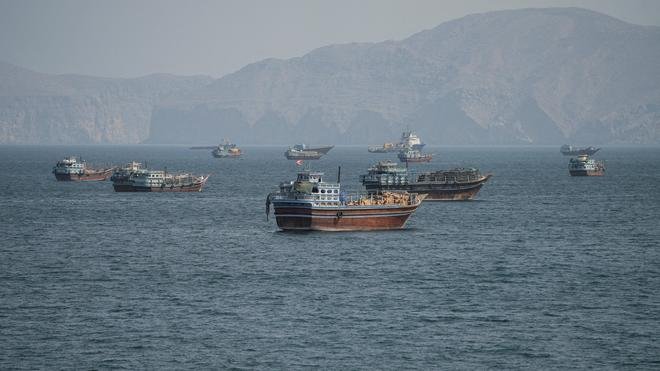
The Strait of Hormuz is a narrow passage between Iran and Oman that connects oil producers in the Persian Gulf to international waters. Around a fifth of the world’s petroleum moves through this narrow neck of water.
When traffic through the strait slows or halts, global energy markets react immediately. Even small disruptions can drive up crude prices overnight, leading directly to higher prices for gasoline at the pump, pricier diesel for freight, and climbing costs for everyday consumer goods.
The Road Ahead
While Iranian leaders describe the talks as making progress toward implementation, no formal agreement has been signed by Washington. Qatari diplomats continue to shuttle messages between both sides to turn the two-day framework into a binding agreement. For now, shipping companies, oil traders, and governments worldwide are watching closely to see if the proposed 48-hour timeline becomes reality.