Source money control
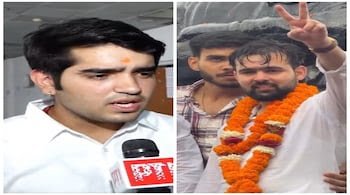
Delhi University Students’ Union (DUSU) elections for 2026 concluded with a decisive victory for the Akhil Bharatiya Vidyarthi Parishad (ABVP), which secured three of the four key posts. However, the results also delivered a notable twist as an independent candidate, Deepanshu Shokeen, emerged victorious in the vice-president race, breaking the otherwise dominant run of the student wing affiliated with the Rashtriya Swayamsevak Sangh (RSS).
According to the final results announced by election authorities, ABVP candidates clinched the posts of president, secretary, and joint secretary. The party’s strong performance reinforces its influence in Delhi University politics, continuing a trend seen in previous years where ABVP has maintained a significant foothold in campus elections.
The highlight of the election, however, was the victory of independent candidate Deepanshu Shokeen, who secured the vice-president post. Shokeen’s win is being viewed as a sign of growing space for non-affiliated candidates in student politics, especially among voters seeking alternatives beyond traditional student organizations.
The presidential race saw a closely contested battle, but the ABVP candidate ultimately emerged ahead, riding on a campaign focused on campus development, student welfare, and administrative accountability. The organization’s grassroots outreach and mobilization efforts across colleges played a crucial role in consolidating votes.
In the secretary and joint secretary positions as well, ABVP candidates managed to secure comfortable leads over their rivals. Their campaign strategies emphasized issues such as improved infrastructure, better library facilities, enhanced placement opportunities, and addressing student grievances more effectively.
Meanwhile, Deepanshu Shokeen’s victory in the vice-president category stood out as a significant development. Running as an independent candidate, he managed to connect with students on localized issues and positioned himself as a voice free from organizational constraints. His campaign reportedly focused on transparency, student representation, and addressing day-to-day campus concerns.
Political observers note that while ABVP’s dominance reflects its organizational strength and consistent voter base, the success of an independent candidate indicates shifting dynamics within student politics. It suggests that a section of the student community is increasingly open to candidates who are not aligned with major political groups.
The voter turnout for the DUSU elections this year was reported to be substantial, reflecting strong student engagement in campus governance. Polling took place across various colleges under Delhi University amid tight security arrangements to ensure a fair and smooth process.
The results are expected to shape campus politics in the coming year, with ABVP holding a majority in the union while also facing the challenge of working alongside an independent vice-president. The combination could lead to a more diverse representation of student voices within the union.
As the newly elected representatives prepare to assume office, students will be watching closely to see how campaign promises translate into action, and whether the leadership can effectively address key concerns across the university.