
Source The eurasian time
An aging Iranian fighter jet, dating back to the Cold War era, has reportedly exposed vulnerabilities in U.S. air defense systems after successfully carrying out a strike on a major American military base in Kuwait, according to recent reports.
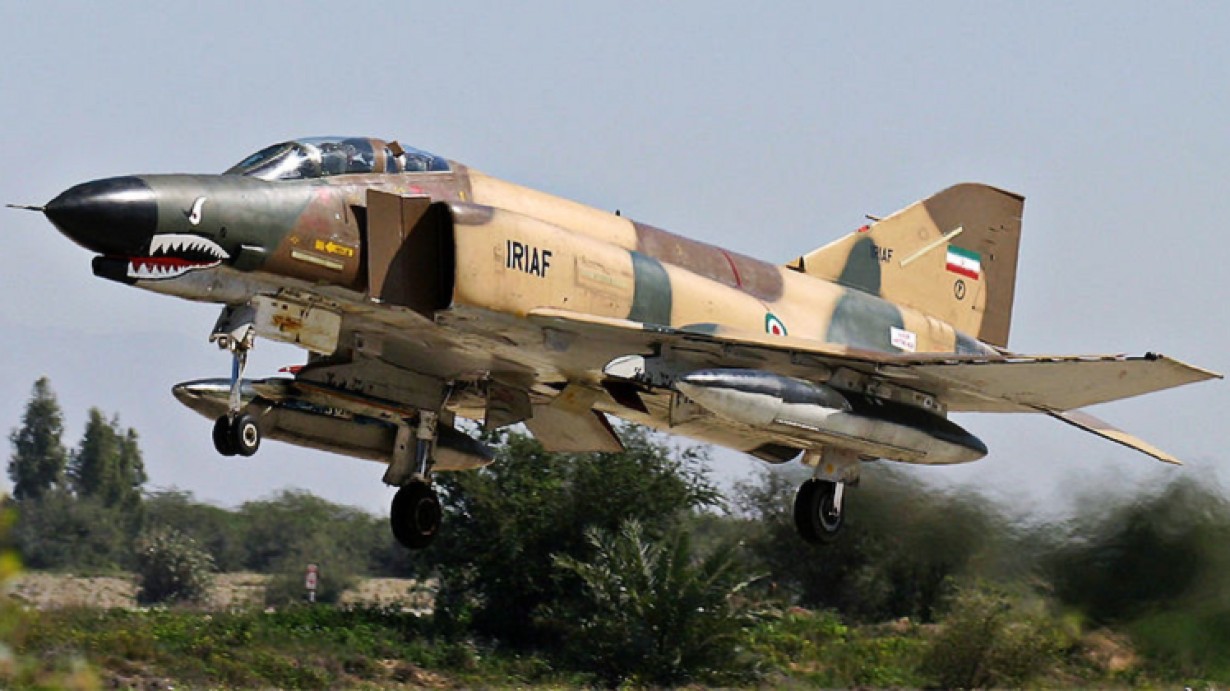
The aircraft in question, the Northrop F-5 Tiger II, first introduced in the 1960s, allegedly penetrated heavily defended airspace and dropped munitions on Camp Buehring, a key U.S. Army facility in the region. The base is known to host thousands of troops and is protected by layered air defense systems, including Patriot missile batteries and advanced radar networks.
Despite these defenses, the Iranian jet reportedly approached at low altitude, evading detection and interception before completing what has been described as a conventional bombing run.
The incident has drawn attention because the F-5 is considered technologically outdated compared to modern Western aircraft. Originally developed in the late 1950s and widely used during the Vietnam War, the jet lacks stealth capabilities and advanced avionics seen in contemporary fighter fleets.
Defense analysts suggest the episode underscores how tactics such as low-altitude flight, timing, and possible gaps in radar coverage can offset technological disadvantages. The reported breach has raised concerns about the effectiveness of multi-layered air defense systems, particularly against unconventional or low-tech threats.
Separate reports indicate that the strike was part of a broader campaign targeting American military infrastructure across the Middle East, with multiple bases reportedly affected during the escalation.
While U.S. authorities have not publicly detailed the full extent of the damage, the incident has fueled debate among military experts about preparedness, system limitations, and the evolving nature of aerial warfare.
The development also highlights a broader strategic concern: if an aging second-generation aircraft can bypass advanced defenses, more sophisticated adversaries equipped with modern stealth technology could potentially exploit similar weaknesses.









