Source CNBC
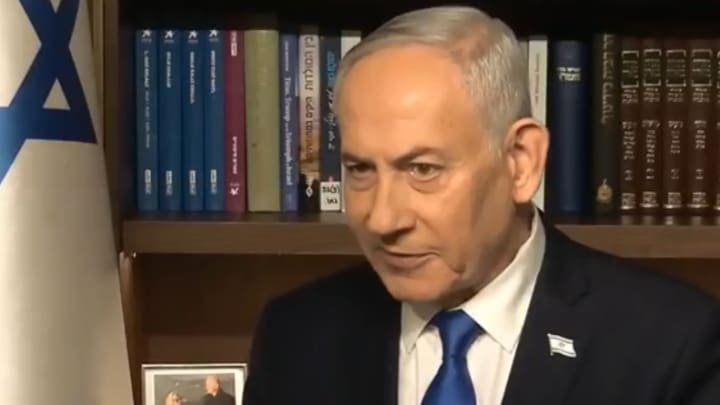
WASHINGTON / JERUSALEM — Israeli Prime Minister Benjamin Netanyahu has downplayed a growing rift with U.S. President Donald Trump, dismissing reports of a heated, expletive-laden phone call as mere “tactical disagreements” within an otherwise unified alliance.
Speaking in an interview with CNBC, Netanyahu insisted that despite friction over Israel’s military campaign against Hezbollah in Lebanon, both leaders remain completely aligned on the overarching strategy of the ongoing war with Iran.
“Sometimes, as in the best of families, we have these tactical disagreements,” Netanyahu said. “We always find a way to work them out. We can disagree in the morning, and we have a common action by the afternoon.”
The Friction Behind Closed Doors
The Israeli Prime Minister’s comments come immediately after President Trump publicly acknowledged berating Netanyahu during a tense telephone conversation. Trump admitted he was “a little bit perturbed” that Israel’s intense fighting with Hezbollah was actively complicating delicate, U.S.-led peace negotiations aimed at ending the broader war with Iran and reopening the economically vital Strait of Hormuz.
The disagreement reportedly peaked when Trump used heavy expletives, expressing frustration that Netanyahu’s recent strikes on Beirut threatened to derail a fragile, preliminary truce framework. Tehran has maintained that any potential peace agreement with the U.S. is contingent on a total ceasefire that includes its Lebanese proxy, Hezbollah.
Despite the blunt language, Trump insisted his relationship with Bibi remains rock-solid, noting that they ultimately connect as fellow “wartime leaders.”
Shared Goals Amid Regional Chaos
Netanyahu used his public remarks to pivot back to their mutual strategic objectives, emphasizing that both Washington and Jerusalem are entirely dedicated to the demilitarization of Lebanon. He described Hezbollah as an occupying force holding Lebanese citizens “at gunpoint” and using the nation as a launchpad for terror.
Furthermore, Netanyahu clarified the hierarchy of command regarding the broader conflict, noting that any full-scale return to direct military operations against Iran would ultimately be President Trump’s decision—stressing that both U.S. and Israeli forces stand fully prepared.
Key Points of Friction Points of Consensus
Lebanon Ceasefire: Trump fears continued strikes in Beirut are stalling a broader regional peace deal. Disarming Hezbollah: Both leaders agree that long-term regional stability requires dismantling the proxy group.
Diplomatic Timing: Trump wants a swift resolution to ease global energy prices ahead of the U.S. midterm elections. Weakening Iran: Both administrations remain explicitly committed to dismantling Tehran’s nuclear capabilities.