
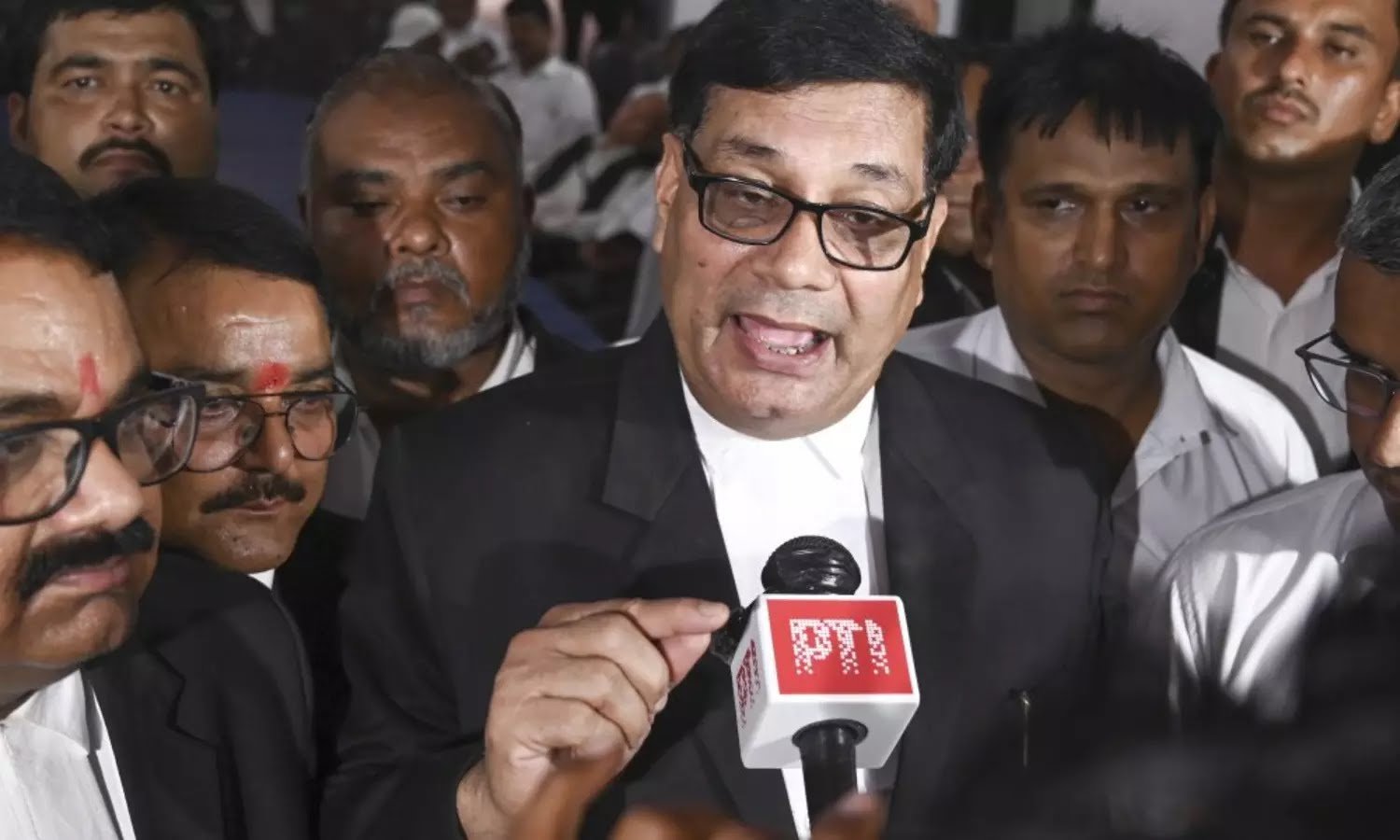
Source Live law
A recent development in Ayodhya has ignited a nationwide debate over legal ethics and constitutional rights, after a group of local lawyers reportedly refused to represent individuals accused in the alleged Ram Mandir Donation Theft Case. The collective decision by members of the bar has raised serious concerns among legal experts, who argue that such actions may violate the foundational principles of justice.
According to reports, several lawyers in Ayodhya publicly declared that they would not defend the accused, citing the sensitive nature of the case and its connection to religious sentiments surrounding the Ram Mandir. While emotions in such cases can run high, legal professionals are bound by a code of conduct that prioritizes the right to a fair trial above public opinion.
Under Indian law, every accused person has the fundamental right to legal representation, as guaranteed by Article 22(1) of the Constitution. Legal experts emphasize that denying representation—whether individually or collectively—undermines the justice system. The role of a lawyer is not to judge guilt or innocence but to ensure that due process is followed.
The Bar Council of India has, in previous instances, made it clear that advocates cannot refuse to represent clients solely based on the nature of the allegations. Such refusals, especially when organized as a group action, can be seen as professional misconduct and may attract disciplinary action.
Senior advocates and constitutional scholars have pointed out that similar incidents in the past have been strongly condemned by courts. The judiciary has repeatedly held that access to justice is a fundamental right, and any attempt to obstruct it—directly or indirectly—poses a threat to the rule of law.
Meanwhile, authorities are continuing their investigation into the alleged theft of donations linked to the Ram Mandir. The case has already attracted significant public attention, making it even more critical for legal proceedings to remain impartial and transparent.
The controversy serves as a reminder of the delicate balance between public sentiment and legal responsibility. While the allegations may evoke strong reactions, the integrity of the justice system depends on upholding the rights of all individuals, regardless of the charges they face.
As the situation unfolds, there are growing calls for intervention by higher legal authorities to ensure that the accused are provided with proper legal counsel. Observers warn that allowing such precedents to go unchecked could erode public trust in the legal system and set a dangerous example for future cases.









