
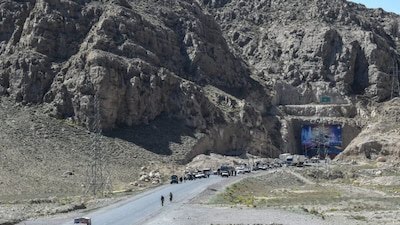
Source News 18
In a dramatic and controversial development, a group of Baloch nationalist leaders has reportedly declared independence from Pakistan, reigniting long-standing tensions in the resource-rich but conflict-prone region of Balochistan. While the declaration has not been recognized internationally and has been swiftly rejected by Islamabad, the move has sparked fresh concerns over regional stability—particularly for China’s $60-billion China-Pakistan Economic Corridor (CPEC) project.
Pakistan’s federal government dismissed the announcement as “baseless and illegal,” reaffirming that Balochistan remains an integral part of the country. Security has reportedly been tightened across key cities including Quetta and Gwadar, with authorities warning of strict action against any separatist activities.
Balochistan, Pakistan’s largest province by area, has witnessed decades of insurgency driven by grievances over political marginalization, economic neglect, and control over natural resources. Separatist groups have long accused the central government of exploiting the province’s wealth without benefiting local populations.
The latest declaration, though symbolic in nature, has drawn attention due to its potential implications for CPEC—a flagship component of China’s Belt and Road Initiative. The corridor, which connects China’s Xinjiang region to Pakistan’s Gwadar Port, passes through Balochistan and is considered crucial for Beijing’s trade and energy security.
Any escalation in unrest could threaten the safety of infrastructure projects and Chinese personnel working in the region. In recent years, militant groups have targeted CPEC-related sites, raising concerns for investors and stakeholders.
China has not officially commented on the latest development, but analysts believe Beijing will closely monitor the situation. Stability in Balochistan is seen as essential for the success of CPEC, which includes highways, railways, and energy projects aimed at boosting Pakistan’s economy.
International observers have urged restraint, emphasizing the need for dialogue and peaceful resolution. However, with tensions simmering and political rhetoric intensifying, the situation remains fluid.
As events unfold, the future of Balochistan—and the fate of one of Asia’s most ambitious infrastructure projects—hangs in the balance.









