
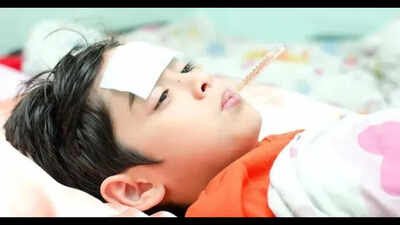
Source TOI
Concerns over public health have mounted as reports of Chandipura virus (CHPV) cases—predominantly affecting young children—raise alarm across affected regions. Health experts and pediatric specialists are urging parents and caregivers to stay vigilant, recognize early red flags, and implement immediate vector-control measures.
Understanding the Chandipura Virus
Chandipura virus belongs to the Rhabdoviridae family, the same family that includes the rabies virus. First identified in Maharashtra, India, in 1965, the pathogen triggers acute encephalitis—a rapid and severe inflammation of active brain tissue. Children under 15 years of age are particularly vulnerable due to developing immune systems, with severe cases progressing rapidly within 24 to 48 hours.
Transmission: How the Virus Spreads
Chandipura virus is a vector-borne illness and does not spread directly from person to person through casual contact, coughing, or sneezing.
Primary Vectors: Transmission occurs through the bite of infected insects, mainly sandflies (Phlebotomus species), as well as certain mosquitoes and ticks.
High-Risk Environments: Sandflies breed in organic matter, unpaved soil, mud cracks, and animal shelters. Populations typically peak during the monsoon and post-monsoon seasons.
Early Warning Signs and Red Flags
Initial symptoms often mimic common seasonal viral fevers, making early clinical suspicion critical.
Early Symptoms: Sudden high-grade fever, intense headache, body aches, persistent vomiting, severe fatigue, and diarrhea.
Neurological Red Flags: Rapid progression to extreme drowsiness, unusual irritability, confusion, loss of consciousness, or seizures/convulsions.
Because there is currently no specific antiviral cure or vaccine, immediate emergency medical care and intensive supportive care (managing brain swelling and maintaining hydration) are essential to prevent fatal complications.
How to Stay Protected
Protection StrategyKey Measures
Vector AvoidanceApply insect repellent on exposed skin and wear full-sleeve clothing.
Home DefenseUse fine-mesh mosquito/sandfly nets while sleeping, especially for infants.
Environmental ControlSeal cracks in mud walls, spray recommended insecticides, and keep surroundings clean and dry.
Early Healthcare InterventionSeek urgent medical attention if a child presents with high fever alongside vomiting or lethargy.









