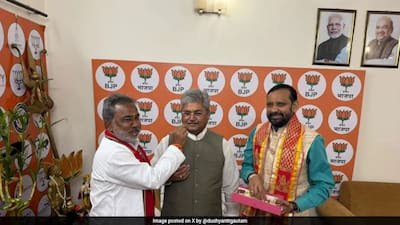
Source NDTV
The appointment of Dushyant Gautam as the new Governor of Sikkim has drawn criticism from the Congress party, bringing the role of Governors and the relationship between the Centre and opposition-ruled parties back into focus.
The controversy has raised questions about the political background of gubernatorial appointments, the constitutional responsibilities of Governors, and the opposition’s concerns about the use of important constitutional positions.
Why Is Congress Opposing the Appointment?
The Congress has raised objections to Gautam’s appointment, with the dispute centred on concerns about the political background of the person selected for the constitutional post.
Governors are expected to act according to the Constitution and carry out their responsibilities without favouring any political party. However, opposition parties have often questioned appointments when the individuals selected have strong links with the ruling party at the Centre.
Congress’s objections reflect the wider political debate over whether such appointments are based on administrative and constitutional considerations or are influenced by party politics.
The precise reasons for the party’s latest objections should be understood in the context of its official statements and the developments surrounding the appointment.
Who Is Dushyant Gautam?
Dushyant Gautam is a Bharatiya Janata Party (BJP) leader who has been associated with the party’s organisational activities. His political background has become relevant to the debate surrounding his appointment as Governor.
The selection of a person with an active political background for a constitutional position often attracts attention because Governors have duties that extend beyond party politics.
Their responsibilities include serving as the constitutional head of a state, appointing the Chief Minister in accordance with constitutional requirements, and performing other functions laid down by the Constitution.
What Does a Governor Do?
A Governor is the constitutional head of a state and is appointed by the President of India. Although the office carries important constitutional responsibilities, the Governor generally acts on the aid and advice of the elected state government, except in situations where the Constitution provides discretion.
The Governor also plays a role in the legislative process, including giving assent to Bills and exercising other powers specified under the Constitution.
Because the office is expected to function within constitutional limits, disagreements between Governors and elected governments can become major political issues.
A Wider Debate Over Governor Appointments
The disagreement over Gautam’s appointment comes amid a broader debate about the role of Governors in Indian politics. Opposition parties have repeatedly raised concerns about appointments of people associated with the ruling party and about disputes between Raj Bhavans and state governments.
The BJP and the Union government have generally defended their authority to appoint Governors under the constitutional framework. Critics, meanwhile, have called for greater transparency and a clearer separation between political activity and constitutional responsibilities.
These disagreements have also brought attention to the need for Governors to maintain public confidence in the impartial functioning of constitutional institutions.
What Happens Next?
The political response to Gautam’s appointment is likely to keep the debate over Governors’ roles in the public discussion. The key question will be whether the controversy remains a political disagreement or develops into a wider discussion about the appointment process and the functioning of constitutional offices.
Ultimately, the Governor’s performance in office will be assessed against constitutional duties, established procedures and the relationship between the office and the elected state government.