
Source
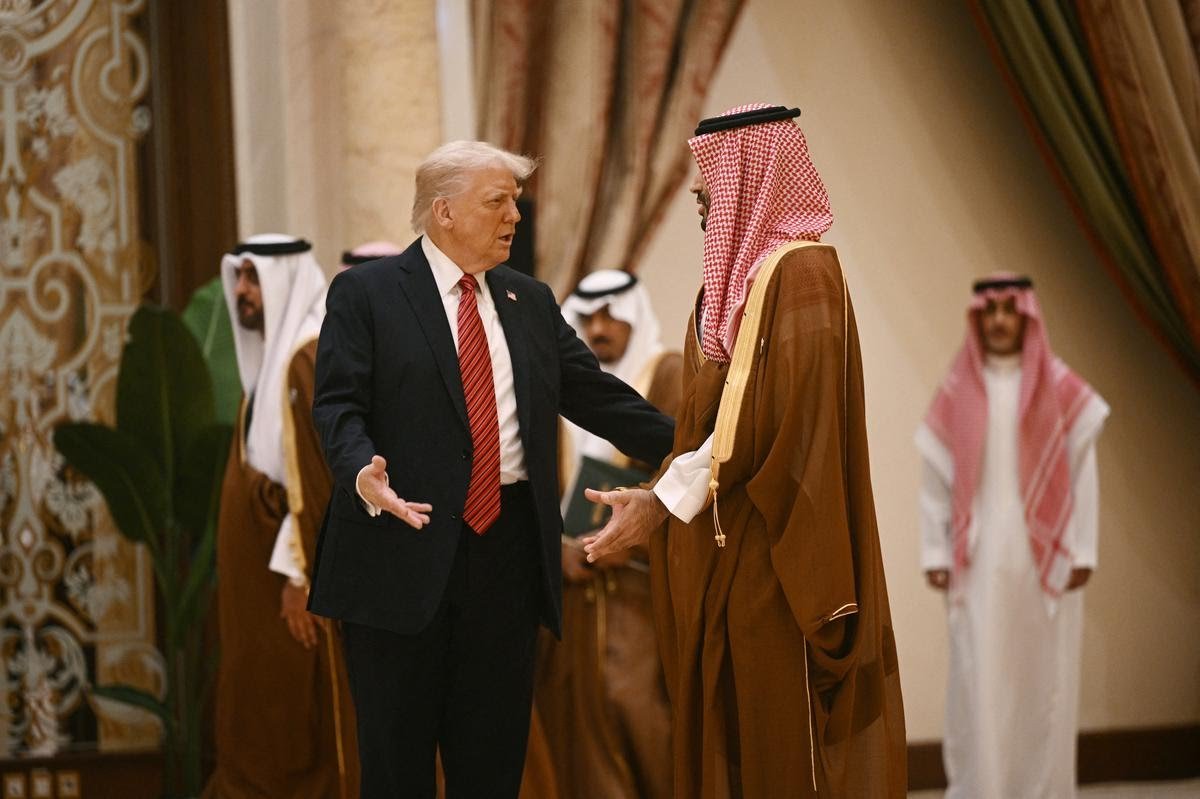
A potential civil nuclear cooperation agreement between Saudi Arabia and the United States has emerged as a key geopolitical development, drawing attention from policymakers, analysts, and global watchdogs. While discussions between the two countries are not entirely new, recent developments indicate renewed momentum, with both sides seeking to balance energy needs, security concerns, and regional influence.
At its core, the proposed agreement aims to support Saudi Arabia’s ambitions to develop a civilian nuclear energy program. Riyadh has long expressed interest in diversifying its energy mix beyond oil, aligning with its broader economic transformation strategy under Vision 2030. Nuclear energy is seen as a reliable and sustainable option to meet growing domestic electricity demand while freeing up more crude oil for export.
For the United States, the deal represents both an economic opportunity and a strategic move. American companies could benefit from lucrative contracts involving reactor construction, technology transfer, and long-term maintenance. More importantly, Washington sees the agreement as a way to maintain influence over Saudi Arabia’s nuclear program and ensure it adheres to international non-proliferation norms.
However, the proposed agreement is not without controversy. One of the central issues revolves around uranium enrichment and spent fuel reprocessing—activities that, while part of civilian nuclear programs, can also be used to develop nuclear weapons. The U.S. has traditionally insisted on strict safeguards, often referred to as the “gold standard,” which prevents partner countries from enriching uranium or reprocessing plutonium on their soil.
Saudi Arabia, however, has resisted these restrictions. Officials in Riyadh argue that they should have the same rights as other nations to develop a full nuclear fuel cycle, especially given regional dynamics. This stance has raised concerns in Washington and beyond, particularly in the context of tensions with Iran, which already possesses advanced nuclear capabilities.
The role of the International Atomic Energy Agency (IAEA) is crucial in this context. Any agreement would likely require Saudi Arabia to adopt comprehensive safeguards and allow inspections to ensure that nuclear materials are not diverted for military purposes. Strengthening transparency measures is seen as essential to gaining international trust.
Another dimension of the deal is its connection to broader regional diplomacy. Reports suggest that the nuclear agreement could be linked to potential normalization of relations between Saudi Arabia and Israel. The United States has been actively working to expand the Abraham Accords framework, and a civilian nuclear deal could serve as an incentive for Riyadh to take steps toward formal ties with Israel.
Despite these strategic considerations, critics argue that the agreement could trigger a regional arms race. If Saudi Arabia is allowed to enrich uranium, other countries in the Middle East may seek similar capabilities, potentially undermining decades of non-proliferation efforts. Experts warn that even a purely civilian program could shorten the timeline for weaponization in a crisis scenario.
Within the United States, the deal is also subject to domestic scrutiny. Under U.S. law, any nuclear cooperation agreement must be reviewed by Congress, where lawmakers are likely to debate the risks and benefits extensively. Concerns about human rights, regional stability, and long-term security implications could influence the final outcome.
From Saudi Arabia’s perspective, the agreement is about more than energy—it is a symbol of technological advancement and geopolitical status. Developing a nuclear program places the kingdom among a select group of nations with advanced scientific capabilities. It also signals Riyadh’s intention to play a more assertive role on the global stage.
Meanwhile, global energy trends are shifting rapidly. As countries transition toward cleaner energy sources, nuclear power is being reconsidered as a low-carbon alternative. For oil-dependent economies like Saudi Arabia, investing in nuclear energy could help ensure long-term sustainability while maintaining economic relevance in a decarbonizing world.
In conclusion, the proposed Saudi–U.S. nuclear agreement sits at the intersection of energy policy, international security, and regional diplomacy. While it offers significant economic and strategic benefits, it also raises complex questions about proliferation risks and geopolitical balance. The outcome of these negotiations will not only shape the future of U.S.-Saudi relations but could also have far-reaching implications for stability in the Middle East and the global nuclear order.









