Source The Times of India
Delhi has recorded its first ‘very poor’ air quality day of the season, with the Air Quality Index (AQI) reaching 324. The sharp decline in air quality has raised concerns among residents as pollution levels continue to increase across the national capital.
In response, authorities have introduced Stage 2 restrictions under the Graded Response Action Plan (GRAP) to control pollution and reduce its impact on public health.
AQI Crosses 300 Mark in Delhi
The city’s AQI reached 324, placing it in the ‘very poor’ category. According to the air quality scale, an AQI between 301 and 400 is considered very poor and can cause breathing problems for people, especially those who already have respiratory or heart-related health issues.
The worsening air quality has become a major concern for children, older people and those who spend long hours outdoors.
GRAP-2 Restrictions Come Into Force
Following the rise in pollution, authorities have implemented Stage 2 measures under GRAP. These steps are aimed at reducing dust, vehicle emissions and other sources of pollution.
The restrictions include increased road cleaning, regular water sprinkling on roads, stricter checks on construction activities and better traffic management.
Authorities are also expected to take action against vehicles and activities that contribute heavily to air pollution.
Border Checks Lead to Traffic Jams
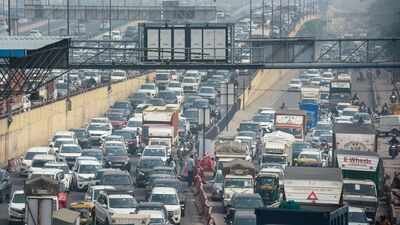
The introduction of additional checks at Delhi’s borders has affected traffic movement. Commuters faced slow-moving traffic and delays as vehicles were checked at several entry points.
The traffic situation created inconvenience for office workers, daily commuters and people travelling between Delhi and nearby areas.
The extra checking is part of the wider effort to control pollution by monitoring vehicles entering the capital.
Health Experts Warn Residents
Health experts have advised people to take precautions as very poor air quality can affect even healthy individuals after long exposure.
Residents have been advised to avoid unnecessary outdoor activities, especially during early morning and late evening hours. People with asthma and other breathing problems should take extra care and follow medical advice.
Wearing a well-fitted mask outdoors may also help reduce exposure to harmful particles.
Pollution Remains a Major Challenge
Air pollution becomes a serious issue in Delhi during the winter season due to several factors, including vehicle emissions, construction dust, industrial pollution, weather conditions and smoke from crop burning in nearby states.
With the AQI now entering the very poor category, authorities face the challenge of controlling pollution before the situation becomes worse.
Residents will be hoping that the GRAP-2 measures bring some improvement in the coming days and provide relief from the rising pollution levels.