Source The Hindu
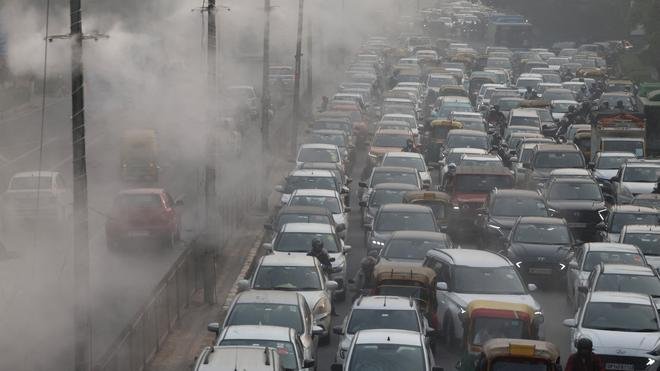
Delhi has once again raised serious concerns over air pollution after emerging as the world’s most polluted city, overtaking Lahore in the latest air quality rankings. The sharp decline in air quality has brought fresh attention to the growing pollution problem in India’s national capital.
The worsening situation has raised concerns among residents, health experts and environmental groups, as millions of people continue to face unhealthy air conditions.
Delhi’s Air Quality Takes a Serious Hit
Air quality in Delhi has deteriorated significantly, with pollution levels rising across several parts of the city. The national capital has been struggling with poor air quality, especially during the winter season, when cold weather and slow winds trap harmful pollutants close to the ground.
The latest rankings place Delhi ahead of Lahore, Pakistan, which has also been facing serious air pollution problems. Both cities regularly experience high pollution levels, particularly during the colder months.
Why Is Pollution Increasing in Delhi?
Several factors are responsible for Delhi’s worsening air quality. Vehicle emissions, construction dust, industrial pollution and the burning of waste continue to add harmful particles to the air.
Stubble burning in nearby states is another major concern during the winter season. Smoke from agricultural fields can travel towards Delhi and increase pollution levels.
Weather conditions also play an important role. Low wind speed, falling temperatures and limited rainfall make it difficult for pollutants to spread or disappear.
Health Risks for Delhi Residents
Rising air pollution is a serious health concern, particularly for children, older people and those with existing breathing problems.
Long-term exposure to polluted air can increase the risk of asthma, lung diseases, heart problems and other health conditions. Even healthy people may experience coughing, throat irritation, breathing difficulties and eye irritation when pollution levels become extremely high.
Doctors often advise people to avoid outdoor exercise during periods of severe pollution and use well-fitted masks when necessary.
What Steps Are Needed to Control Pollution?
Delhi and neighbouring states need stronger measures to tackle the pollution crisis. Better public transport, stricter control of industrial emissions, regular checks on construction sites and effective action against waste burning could help improve air quality.
Experts also stress the importance of cooperation between states because pollution does not stop at city or state borders.
A Growing Challenge for the National Capital
Delhi’s position at the top of the global pollution rankings is another reminder of the serious environmental challenges facing major cities in South Asia.
While temporary measures may provide some relief, long-term planning and strict action are needed to control pollution. For millions of Delhi residents, clean air is no longer just an environmental demand but an important public health need.