Source Aljajeera
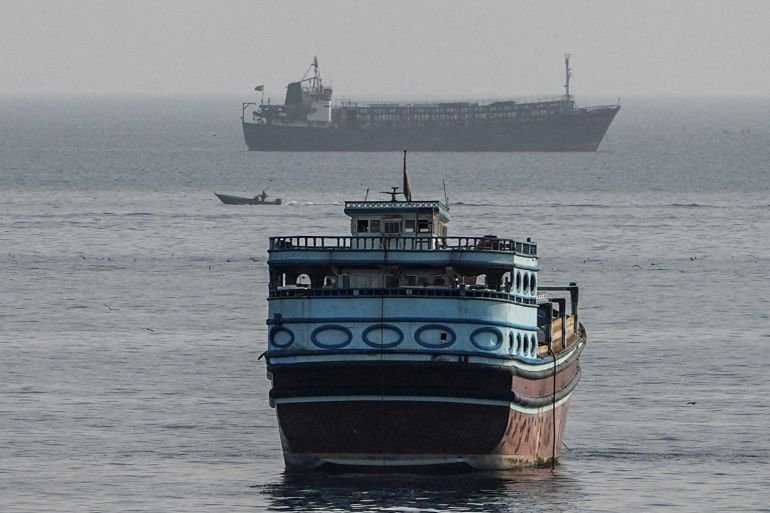
Negotiations to reopen the Strait of Hormuz—the vital maritime artery for one-fifth of the world’s petroleum supply—have reached a critical threshold, with officials from Tehran, Muscat, and Washington indicating that a provisional framework could be finalized within days.
Under the bilateral proposal negotiated between Iran and Oman, inbound transit into the Persian Gulf would be routed through channels managed by Iran, while outbound shipping would traverse waters coordinated by Oman. However, key terms, including maritime service fees and the lifting of naval blockades, remain heavily contested as each power seeks to secure core strategic objectives.
What Each Party Wants
StakeholderPrimary ObjectivesKey Demands & Red Lines
Tehran (Iran)• Formalize sovereign oversight of Gulf entry routes.
• Relief from the U.S. naval blockade on Iranian ports.
• Revenue through proposed maritime service fees.• Rejects direct negotiating sessions with Washington, working solely through Omani mediation.
• Requires Islamic Revolutionary Guard Corps (IRGC) sign-off for any final operational terms.
Washington (United States)• Restore commercial shipping to lower global energy prices.
• Prevent Iran from establishing permanent tolling or veto power over international waters.• Maintains that any temporary routing mechanism must not charge transit fees or grant Iran long-term sovereign control.
• Views the waterway opening as Phase 1, to be followed by broader nuclear de-escalation talks.
Muscat (Oman)• Prevent regional conflict from spilling into Omani territory and territorial waters.
• Preserve traditional role as the Gulf’s primary diplomatic bridge.• Seeks a balanced transit agreement that prevents complete Iranian dominance over shared channels.
• Avoids long-term security entanglements or financial liability for managing outbound maritime lanes.