Source Wion
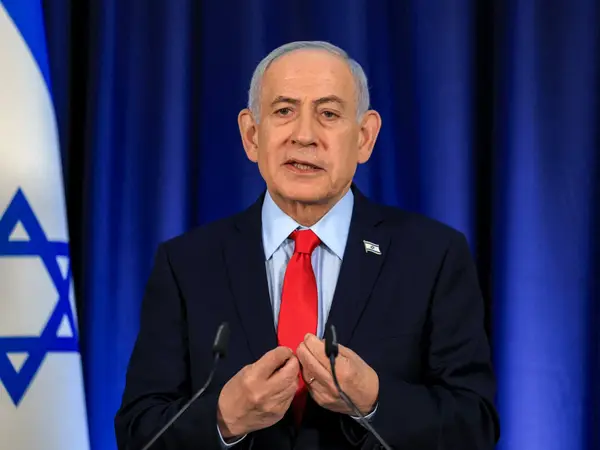
WASHINGTON — In a major geopolitical shift that highlights a growing rift between the United States and its closest Middle Eastern ally, reports reveal that Israeli Prime Minister Benjamin Netanyahu was left completely in the dark before U.S. President Donald Trump abruptly halted planned military strikes against Iran and announced an imminent diplomatic framework agreement.
According to sources cited by Axios, Netanyahu received no prior warning or intelligence briefings before Trump publicly declared from the Oval Office that a deal with Tehran was near-ready for finalization.
A Sudden U-Turn in Washington
The surprise development unfolded after U.S. military forces were reportedly just hours away from executing scheduled air strikes against Iranian targets. Trump halted the operations after receiving diplomatic signals through Qatari mediators that Tehran was prepared to advance with a draft pact, known as the “Islamabad Memorandum of Understanding.”
Shortly after, President Trump asserted complete executive authority over the direction of the negotiations, brushing off concerns that Tel Aviv might object to the terms.
“He won’t have any choice,” Trump told the Financial Times. “I call the shots. I call all the shots. He [Netanyahu] doesn’t call the shots.”
Under the proposed performance-based deal, White House officials claim Iran has agreed to permanently dismantle its nuclear program, destroy existing enriched material, and reopen the crucial Strait of Hormuz. In return, Vice President J.D. Vance confirmed that economic benefits would eventually flow to Tehran, though no frozen funds would be released upfront until strict obligations are met.
Rising Friction and Tactical Disagreements
The complete lack of advance notice has reportedly caused immense frustration within the Israeli security establishment. For months, Jerusalem has maintained that only relentless, unwavering military pressure could force real concessions from the Iranian regime, viewing diplomatic pauses as a mechanism for Tehran to engage in tactical “foot-dragging.”
The relationship between the two leaders has faced visible strain over the past week. Insiders report a heated phone exchange recently took place, where Trump expressed growing frustration over Israel’s ongoing military campaign in Lebanon, warning that it was actively sabotaging U.S. and Gulf-backed diplomatic efforts.
While Netanyahu has publicly sought to downplay the incident—characterizing the friction as a “tactical disagreement” and stating on Friday that both nations remain fundamentally aligned on preventing a nuclear Iran—defense officials acknowledge that Israel has increasingly been sidelined and forced to rely on alternative intelligence channels just to stay informed on the U.S.-Iran talks.
The proposed agreement is expected to be finalized and signed in Europe over the coming days, marking a distinct departure from previous administrations where Washington and Tel Aviv traditionally operated in lockstep on regional strategy.