
Source HT
INDORE – A government-appointed medical audit has revealed a grim reality in Indore’s Bhagirathpura area, linking at least 15 deaths to a severe outbreak of diarrhoea and vomiting caused by contaminated drinking water.
While the Madhya Pradesh state health department’s official death toll remains at six, the expert panel’s findings suggest the tragedy is more widespread than previously acknowledged by authorities.
Audit Reveals Sewage Contamination
A five-member committee from the Mahatma Gandhi Memorial (MGM) Medical College conducted a “death audit” by examining the medical records and clinical symptoms of 21 individuals who died in the locality since the outbreak began on December 29, 2025.
Indore Divisional Commissioner Sudam Khade confirmed on Tuesday that 15 of those deaths were directly linked to “diarrhoea and related symptoms caused by contaminated water.” The report detailed that:
15 deaths were attributed to the waterborne outbreak.
4 deaths were linked to unrelated causes, such as cardiac arrest and kidney failure.
2 cases are still pending final post-mortem results.
The audit was necessitated by a stark discrepancy between official figures and claims by local residents, who allege that more than 23 people, including a six-month-old infant, have died during the crisis.
The Source of the Crisis
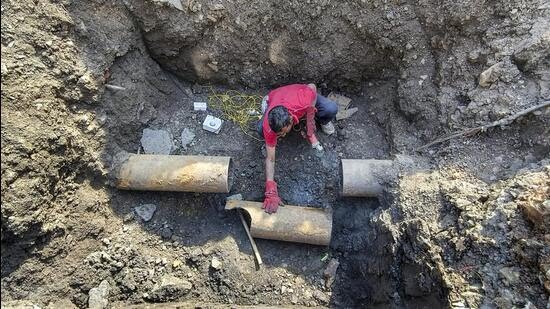
The outbreak centered in Bhagirathpura, a densely populated area of India’s “cleanest city.” Investigations revealed that drinking water from the Narmada pipeline had been mixed with sewage due to a leak.
Laboratory tests conducted by the Indore Municipal Corporation confirmed the presence of high levels of faecal coliform bacteria, ranging from 13 to 360 per ml—far exceeding the safe standard of zero. Other dangerous pathogens, including E. coli and traces of cholera-causing bacteria, were also detected in the samples.
Government Response and Compensation
Despite the official toll standing at six, the state government has already distributed compensation of ₹2 lakh each to the families of 18 deceased individuals on “humanitarian grounds.”
District Magistrate Shivam Verma stated that the administration is continuing door-to-door screening and providing medical assistance. As of January 13, over 430 patients have been treated for symptoms, with approximately 33 still hospitalised and eight in intensive care.
“The findings of the doctors’ panel highlight a systemic failure in urban infrastructure where drinking water lines and drainage systems intersect,” said a senior health official.
The National Human Rights Commission (NHRC) has taken suo motu cognisance of the matter, seeking a detailed report on the administrative lapses that led to the contamination.









