Source The Hindu
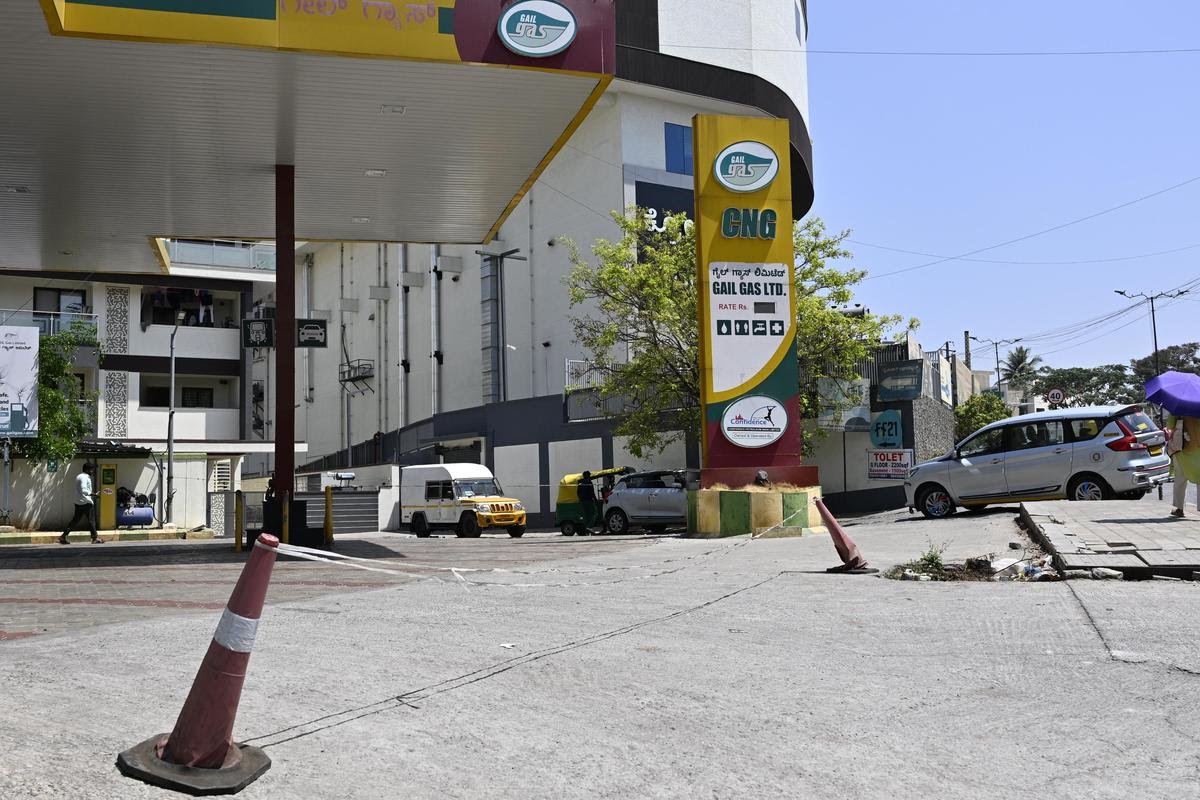
NEW DELHI — Commuters and commercial drivers in the National Capital Region (NCR) are facing a steep rise in travel expenses as Indraprastha Gas Limited (IGL) announced another increase in Compressed Natural Gas (CNG) prices on Sunday.
The fresh hike of ₹1 per kilogram marks the second upward revision in just 48 hours, pushing retail prices in the national capital past the ₹80 threshold for the first time.
Key Price Revisions Across the Region
The latest ₹1 revision follows a larger ₹2 per kg hike implemented on Friday, May 15, resulting in a cumulative ₹3 increase over the weekend.
The updated retail prices for CNG at IGL stations, effective from 6:00 AM on May 17, 2026, include:
Delhi: ₹80.09 per kg (up from ₹79.09)
Noida, Greater Noida, & Ghaziabad: ₹88.70 per kg
Gurugram: ₹85.12 per kg
While domestic piped natural gas (PNG) and LPG cooking cylinders remain unaffected for now, transport costs are expected to surge across the capital.
What is Driving the Surge?
In an official statement, IGL stated that the adjustments were necessary to “marginally offset the impact of increase in input gas cost along with steep appreciation of the USD.”
The localized hike is part of a broader energy crunch unfolding after a 50% spike in global crude oil and natural gas prices. Recent military disruptions in West Asia and shipping bottlenecks in the critical Strait of Hormuz have pushed Brent crude past the $100-per-barrel mark, piling immense financial pressure on domestic oil marketing and fuel distribution companies.
The CNG hike aligns with a nationwide fuel adjustment on Friday, which saw petrol and diesel prices jump by approximately ₹3 per litre after a prolonged four-year freeze.
Commuters and Commercial Operators Feel the Pinch
The sudden, back-to-back price hikes have drawn sharp criticism from public transport unions and everyday commuters. Hundreds of thousands of auto-rickshaws, app-based cabs, and stage carriages in Delhi-NCR run exclusively on CNG.
“Our running costs are shooting up, but vehicle fares remain the exact same,” said a local auto driver at a refueling station in South Delhi. “This back-to-back increase directly eats into our daily bread. The government must step in to either subsidize the input costs or approve a revised fare structure immediately.”
Despite the escalating costs, IGL maintained that CNG remains highly competitive, stating that the fuel still offers up to 45% in savings relative to vehicles running on traditional petrol or diesel at current market rates.