
Source India Today
SINGAPORE — Robert Kiyosaki, the celebrated author of the personal finance classic Rich Dad Poor Dad, has sparked a global conversation by highlighting the starkly different economic trajectories of South Asia’s two largest neighbors. In a series of recent insights, Kiyosaki contrasted Pakistan’s crippling “oil shock” with India’s strategic stability, citing the situation as a masterclass in national financial management.
The Pakistani Predicament: A Cycle of Debt and Dependency
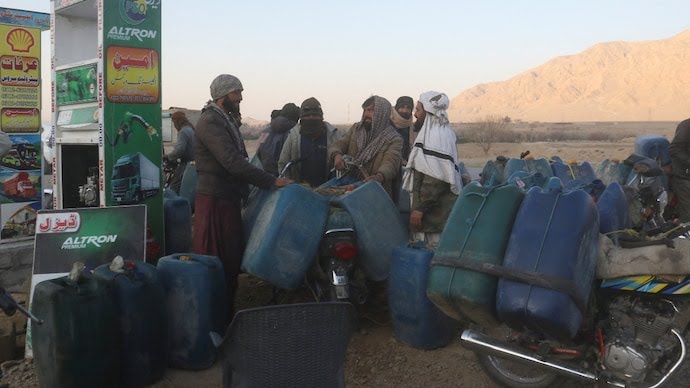
Pakistan is currently grappling with a severe balance-of-payments crisis, exacerbated by its heavy reliance on imported fossil fuels. With foreign exchange reserves fluctuating at critical levels, the country has struggled to secure the “petrodollars” necessary to power its economy.
Skyrocketing Inflation: Energy costs have trickled down to every sector, leading to record-high inflation rates for the average citizen.
Infrastructure Strain: Frequent power outages and fuel shortages have hampered industrial productivity.
Default Concerns: The author pointed out that Pakistan’s reliance on external bailouts from the IMF is a symptom of “Poor Dad” macroeconomics—spending beyond means without building productive assets.
The Indian Exception: Strategic Autonomy
In contrast, Kiyosaki praised India’s “Rich Dad” approach to the global energy market. Despite worldwide volatility sparked by geopolitical tensions, India has maintained a remarkably stable domestic economy.
“India is playing the game of money on a different level. They are buying when others are fearful and securing their future while the rest of the world argues over politics.” — Robert Kiyosaki
Key factors cited for India’s stability include:
Diversified Energy Sourcing: India’s pragmatic decision to import discounted crude oil from various global sources despite Western pressure.
Renewable Expansion: A massive pivot toward green energy, reducing long-term dependence on the volatile oil market.
Foreign Reserve Management: Robust reserves that act as a “financial moat,” protecting the Rupee from sudden external shocks.
The Lesson in “Financial Literacy”
Kiyosaki’s critique goes beyond simple geopolitics; he views the situation through the lens of his core philosophy. He argues that India’s leadership is acting like an “investor,” building infrastructure and securing cheap resources to fuel growth, whereas Pakistan has been trapped in the role of a “consumer,” borrowing money to pay for basic needs.
As the global energy landscape remains unpredictable, the gap between these two nations serves as a poignant reminder of how national “financial literacy”—or the lack thereof—can dictate the fate of millions. For investors and policymakers alike, the sub-continent has become a living laboratory for economic survival in the 21st century.









