Source NDTV
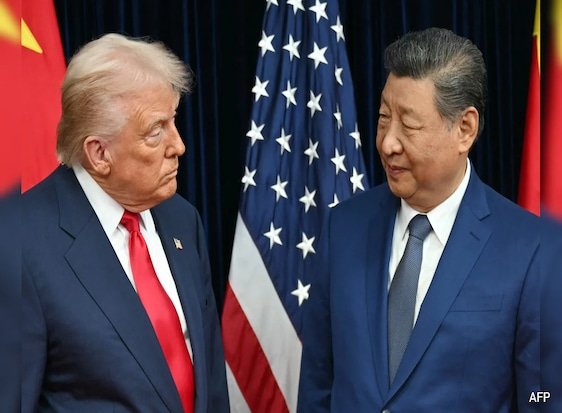
WASHINGTON — In a move that has reignited domestic political debates and strained fragile international ties, U.S. President Donald Trump used a prime-time televised address on Thursday night to level explosive new allegations against Beijing, claiming China orchestrated an “unprecedented election security nightmare” during the 2020 U.S. presidential election. Beijing swiftly rejected the claims, labeling them a “fabricated smear”.
Speaking from the White House for 25 minutes, Trump announced the declassification of intelligence documents that he claimed expose “shocking vulnerabilities in our election infrastructure”. Central to his speech was the allegation that China carried out the “largest compromise of election data in history,” unlawfully acquiring 220 million U.S. voter registration files containing names, addresses, and other personal data.
Trump also accused members of the U.S. intelligence community of deliberately suppressing and downplaying the scale of Beijing’s alleged interference.
Intelligence Assessments Contradict Claims
Despite the high-profile nature of the address, the claims directly contradict the consensus of U.S. intelligence agencies.
A declassified assessment released by the U.S. intelligence community concluded there was no indication that any foreign actor altered or successfully manipulated technical aspects of the 2020 vote—including voter registration systems, ballots, or vote tabulations.
Furthermore, according to sources familiar with the declassified documents, the voter information Trump referenced is not confidential; U.S. voter files are routinely and legally purchased by political consultants and cannot be used to manipulate election outcomes. Notably, some of the declassified files released alongside the speech appeared unrelated to U.S. systems entirely, with one CIA document focusing on elections in Venezuela.
Democratic lawmakers quickly rebuked the speech. Senator Mark Warner, Vice Chair of the Senate Intelligence Committee, released a sharp statement calling the president’s claims “totally bogus”.
“The fact is our intelligence agencies unanimously agreed that China did not even try to change a single vote in the 2020 election,” Warner stated.
Beijing Issues Strict Denial
The response from China was swift and uncompromising. Hours before the speech even aired, Liu Chang, a spokesperson for the Chinese Embassy in Washington, issued a preventative statement:
“China has never and will never interfere in the presidential elections of the U.S.”
Later, Chinese Foreign Ministry spokesperson Lin Jian escalated the pushback during a regular media briefing in Beijing, calling Trump’s accusations a “malicious smear”. Lin emphasized that China adheres strictly to a policy of non-interference in the internal affairs of other nations.
Lin also turned the accusation back on Washington, stating that the international community is well aware of “who habitually interferes in other countries’ internal affairs and indiscriminately conducts long-term surveillance”.
Domestic Aims and Diplomatic Fallout
Political analysts suggest Trump’s prime-time address was heavily driven by domestic political calculations ahead of the upcoming November midterm elections, where Republicans are fighting to protect narrow congressional majorities. Trump heavily utilized the speech to pressure Congress into passing the stalled SAVE America Act, which would introduce stricter photo identification and citizenship requirements for voters.
However, the renewed hardline rhetoric risks destabilizing U.S.-China relations just as they had begun to find solid footing following a costly trade war. The diplomatic timing is highly sensitive, as Chinese President Xi Jinping is scheduled to make a reciprocal visit to the United States in September.
When asked if the fresh accusations would derail the highly anticipated summit, Chinese officials urged the U.S. to stop using China as an election issue and instead focus on actions “conducive to China-U.S. relations”.