Source The Hindu
New Delhi — As political debates continue to swirl around the protests at Jantar Mantar, attention has increasingly shifted toward evaluating the broader performance of former Education Minister Dharmendra Pradhan. His tenure, marked by sweeping reforms, policy implementation challenges, and mounting public scrutiny, presents a complex report card that extends far beyond the immediate flashpoints of protest.
Dharmendra Pradhan assumed charge of the Ministry of Education at a time when India’s academic landscape was undergoing a transformative phase. The rollout of the National Education Policy (NEP) 2020 was at the center of his agenda. Pradhan consistently emphasized modernization, flexibility in learning pathways, and the integration of technology in classrooms. Under his leadership, initiatives aimed at digital education, such as expanded online learning platforms and hybrid teaching models, gained momentum, particularly in the aftermath of the COVID-19 pandemic.
However, while policy ambitions were high, implementation often faced hurdles. Critics pointed out gaps between the vision of NEP 2020 and its execution on the ground. Concerns over infrastructure readiness, teacher training, and digital accessibility—especially in rural areas—remained persistent. The digital divide became a focal issue, with many students struggling to benefit from online education due to limited resources.
The controversy surrounding examination bodies, particularly the National Testing Agency (NTA), also cast a shadow over Pradhan’s tenure. Allegations of mismanagement, paper leaks, and lack of transparency in competitive examinations fueled protests across the country. Students and opposition leaders alike demanded accountability, arguing that systemic reforms in examination processes were long overdue.
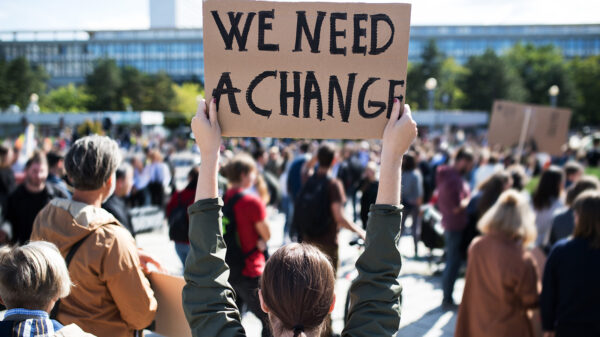
The protests at Jantar Mantar became symbolic of this growing dissatisfaction. Demonstrators called for reforms in recruitment processes, fair examination systems, and greater transparency in governance. While Pradhan maintained that the government was committed to addressing these issues, critics argued that responses were often reactive rather than proactive.
On the other hand, supporters of Pradhan highlighted several achievements. The push for skill development and vocational education received renewed attention, with efforts to align academic curricula with industry needs. Collaborations with global institutions and the promotion of research through initiatives like the National Research Foundation were also seen as positive steps toward strengthening India’s higher education ecosystem.
Additionally, Pradhan’s focus on regional language education and inclusivity drew praise from certain quarters. The emphasis on mother tongue instruction in early education was considered a significant move toward improving learning outcomes, although its implementation varied across states.
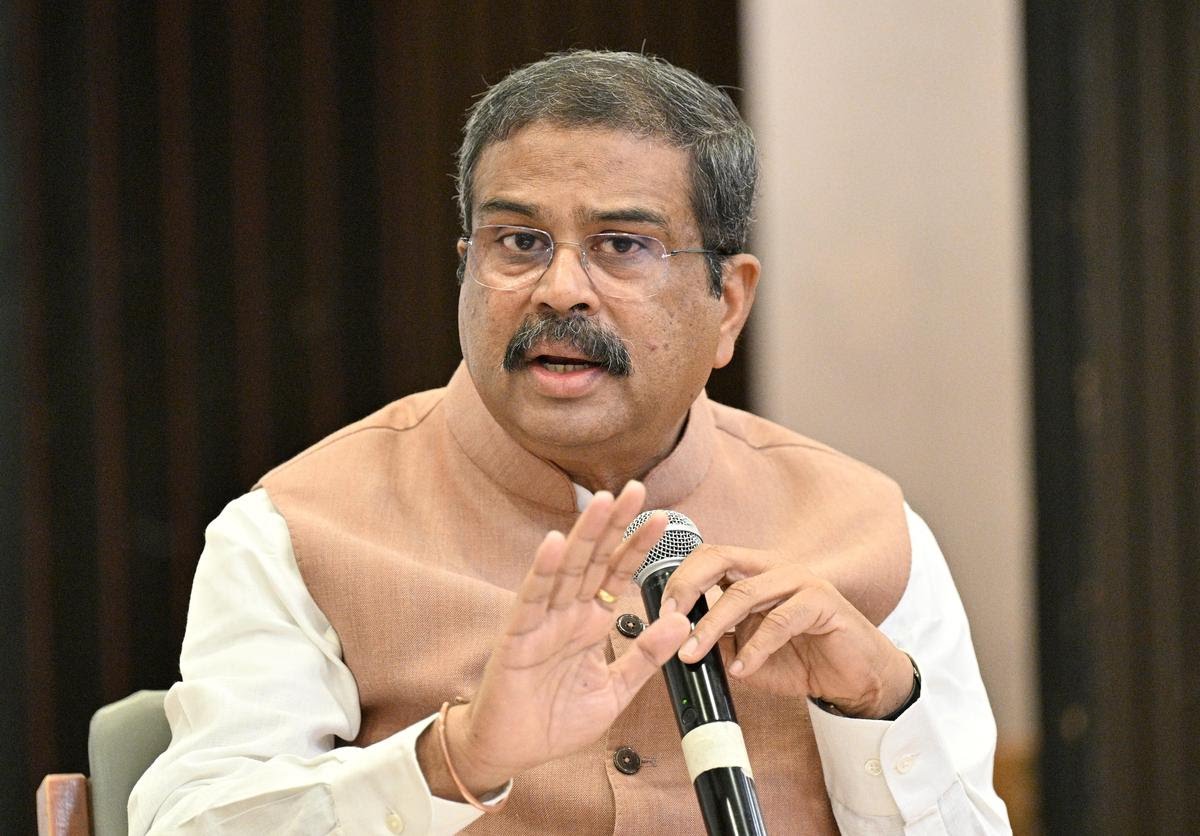
Politically, Pradhan remained a key figure within the government, often tasked with managing sensitive portfolios. His communication style—assertive and policy-driven—helped him defend government positions, but also made him a frequent target of opposition criticism.
As his tenure came under review, the narrative around Dharmendra Pradhan evolved into one of contrasts. On one side stood ambitious reforms and structural changes aimed at redefining India’s education system. On the other, persistent operational challenges and public discontent that questioned the pace and effectiveness of these reforms.
Ultimately, Pradhan’s report card reflects the broader complexities of governing a vast and diverse education system. While he laid down a roadmap for long-term transformation, the immediate outcomes remained uneven. The legacy of his tenure will likely be judged not only by the policies he introduced but also by how effectively they are carried forward and implemented in the years to come.