Source money control
The ongoing conflict involving Iran is placing unprecedented strain on global energy systems, rapidly depleting the world’s oil buffer and raising alarms across financial and industrial sectors. Analysts warn that the crisis could mark one of the most severe disruptions in modern energy history, with consequences stretching far beyond fuel prices.
Historic Supply Shock
According to energy experts and the International Energy Agency (IEA), the war has triggered a massive oil supply disruption, significantly reducing the availability of crude in global markets.
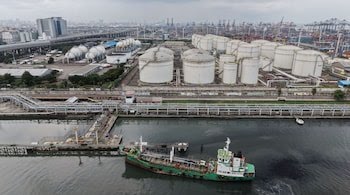
The instability around the Strait of Hormuz—through which a large share of the world’s oil supply typically flows—has choked exports and delayed shipments.
Global supply shortfalls have reached millions of barrels per day, forcing countries to tap into emergency reserves. The IEA and allied nations have already released substantial reserves to stabilize markets, but these buffers are being consumed at a rapid pace.
Prices Surge, Markets Struggle
Oil prices have surged sharply since the conflict escalated, pushing inflation higher across multiple economies.
While crude prices remain volatile, refined fuels such as diesel, jet fuel, and gasoline have seen even steeper increases, reflecting tightening supply chains and refining constraints.
Economists warn that the continued drawdown of oil reserves could eliminate the cushion that has historically protected global markets from sudden shocks.
Global Ripple Effects
The impact of the crisis extends far beyond energy markets. Higher fuel costs are disrupting agriculture, manufacturing, and transportation, contributing to rising food prices and slowing economic growth worldwide.
Central banks now face a difficult balancing act as inflationary pressures rise amid already fragile economic conditions. Financial stability concerns have also intensified, with geopolitical risks emerging as a major global threat.
A Fragile Outlook
Experts caution that if the conflict persists, the depletion of global oil buffers could lead to prolonged supply shortages and even more extreme price volatility.
With limited alternatives to replace disrupted Gulf supplies, the world may remain vulnerable to energy shocks until stability returns to the region.
Conclusion:
The Iran war is not just a regional conflict—it is reshaping the global energy landscape. As oil reserves are drained at an unprecedented pace, governments and industries are bracing for a prolonged period of uncertainty, rising costs, and economic strain.