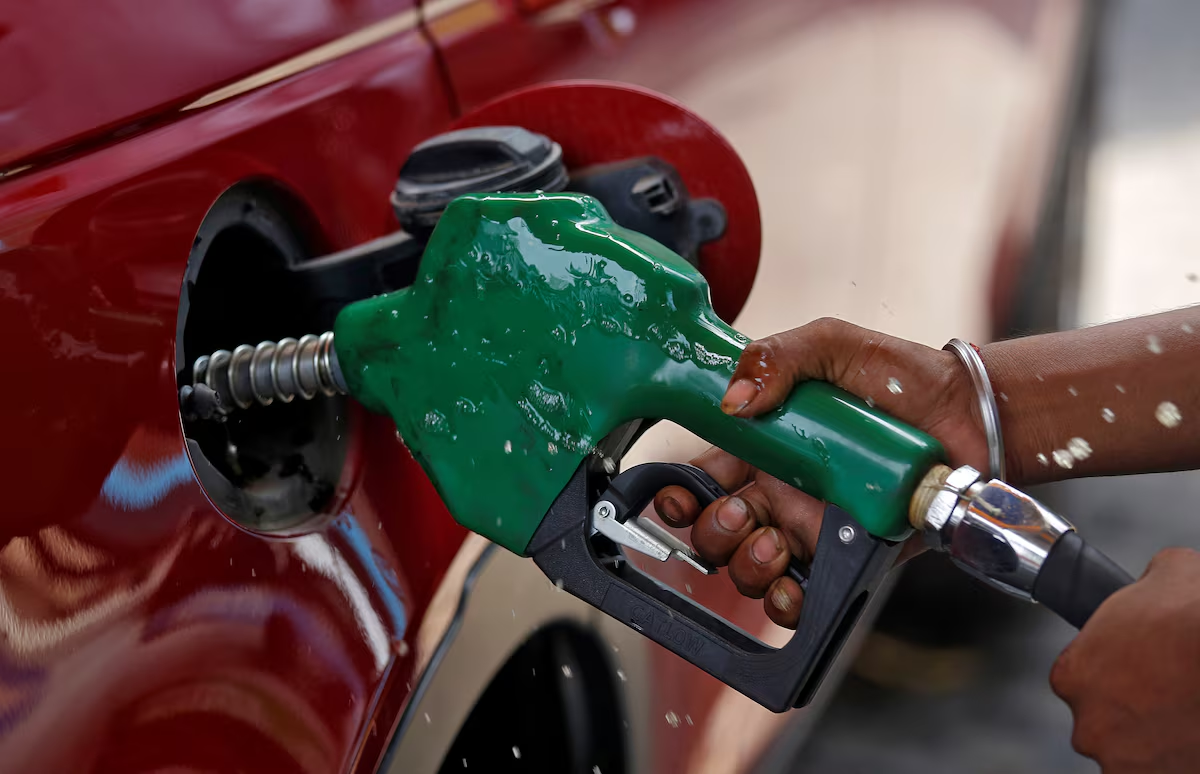
Source reuter
NEW DELHI — In a landmark move toward energy independence, the Government of India has proposed a new set of regulations aimed at integrating high-concentration ethanol blends into the nation’s transport ecosystem.
The Ministry of Road Transport and Highways (MoRTH) issued a draft notification this week to amend the Central Motor Vehicles Rules, 1989. This proposal marks a significant escalation from the current E20 (20% ethanol) mandate, introducing formal standards for E85 and E100 (pure ethanol) fuels.
Breaking Down the Proposal
The draft rules aim to modernize the labeling and technical requirements for the next generation of “Flex-Fuel” vehicles. Key updates include:
Formalizing High Blends: For the first time, E85 and E100 will be recognized as legal vehicular fuels, allowing manufacturers to mass-produce engines specifically tuned for these concentrations.
Biodiesel Expansion: The notification also addresses the transition to cleaner diesel, expanding the scope to include B100 (100% biodiesel).
Standardized Labeling: Existing petrol pumps and vehicle labels will be updated to a unified “E10/E20” category to reflect the standard nationwide availability of 20% ethanol blends.
Hydrogen Integration: The ministry has proposed updated definitions for Hydrogen+CNG blends, further diversifying the alternative fuel portfolio.
The Economic and Environmental Drive
The shift is largely driven by a dual need: reducing India’s massive crude oil import bill and supporting the domestic sugar industry. By utilizing surplus sugarcane and food grains to produce ethanol, the government aims to keep fuel expenditures within the domestic economy.
“Our goal is to transition from an oil-importing nation to an energy-exporting one,” stated a senior official from the Ministry. “Higher ethanol blends are the quickest route to reducing our carbon footprint while empowering our farmers.”
India has already achieved significant milestones, reaching the 20% blending target ahead of schedule in many regions. As of early 2026, the ethanol program has reportedly saved the country billions in foreign exchange.
Technical Hurdles and Consumer Impact
While the environmental benefits are clear, the transition to E85 and E100 requires specialized hardware. Standard internal combustion engines (ICE) cannot run on pure ethanol without significant modifications to fuel lines, injectors, and engine mapping due to ethanol’s corrosive nature and different combustion properties.