
Source Reuter
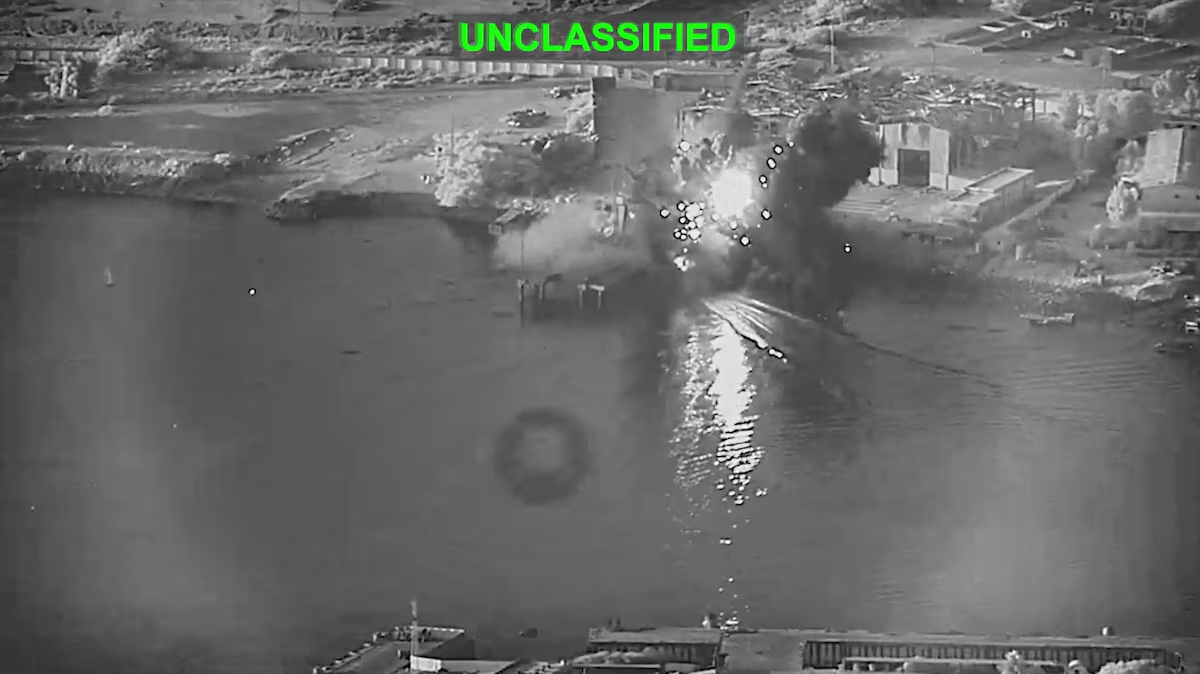
The conflict in the Gulf region intensified dramatically on Tuesday as Iran launched strikes on multiple oil tankers following a third consecutive night of US military attacks. The escalation comes as former US President Donald Trump announced the reimposition of a naval blockade, further raising fears of a wider regional confrontation.
According to early reports, several commercial vessels were hit in strategic shipping lanes, including areas close to the Strait of Hormuz, a critical artery for global oil supplies. Maritime authorities confirmed that at least two tankers sustained significant damage, though details on casualties and crew safety remain unclear.
Iranian officials defended the strikes, describing them as a “proportionate response” to what they called ongoing US aggression. Tehran accused Washington of violating international norms through repeated air and naval attacks on Iranian-linked targets over the past three nights.
The United States, meanwhile, justified its actions as necessary to protect regional stability and safeguard international shipping routes. In a strong statement, Trump declared the reintroduction of a naval blockade aimed at restricting Iran’s military and economic movements. He warned that any further aggression would be met with “decisive force.”
Global markets reacted swiftly to the developments, with oil prices surging amid concerns over supply disruptions. Shipping companies have begun rerouting vessels or suspending operations in high-risk zones, raising alarm among global trade stakeholders.
International leaders have urged restraint from both sides. The United Nations called for immediate de-escalation, warning that continued hostilities could destabilize the entire Middle East and have far-reaching economic consequences.
As tensions mount, the situation remains fluid, with fears growing that the conflict could spiral into a broader military confrontation involving regional and global powers.









