Source The Hindu
Top American spy agencies have been hit by a cyberattack, though officials say no top-secret files were stolen.
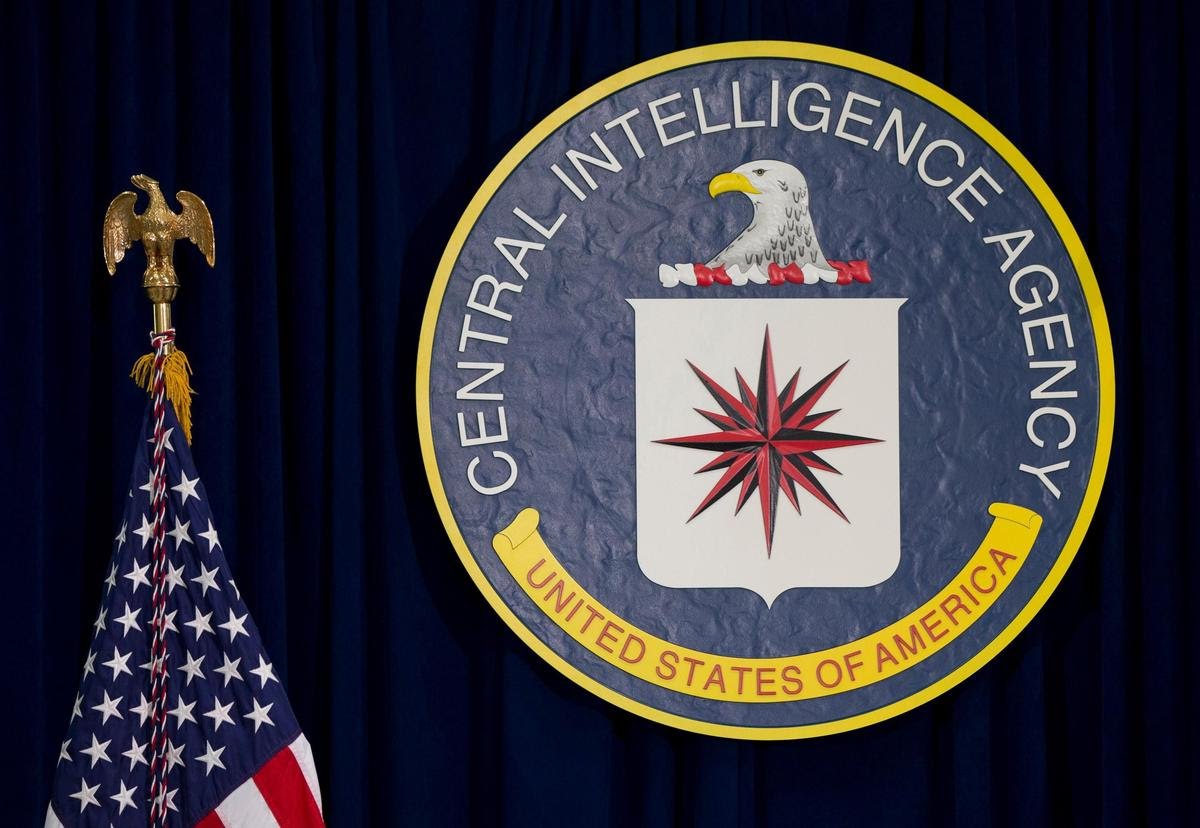
On Tuesday, November 24, 2026, news broke that hackers had broken into a computer network used by the Central Intelligence Agency (CIA) and the Office of the Director of National Intelligence (ODNI), according to The New York Times via CTV News. The attack exposed some unclassified files, and information from other U.S. government offices may have been reached as well.
What Was Hit?
The hackers did not get into the locked-down systems that hold America’s deepest secrets. Instead, they targeted a network built for open-source intelligence, as reported by The Washington Post.
In simple terms, this network helps analysts study public information to spot global trends and safety risks. It pulls in everyday material like news stories, social media posts, online videos, public websites, satellite photos, and data bought from private companies (Insurance Business).
Top-secret government computers are usually cut off from the regular internet to keep hackers out. However, systems that collect public data have to connect to outside websites and networks, which makes them much harder to shield from online attacks (The Washington Post).
Why Unclassified Data Still Matters
When asked about the breach, the ODNI said there were “no disruptions to critical capabilities or classified systems” (CTV News). The CIA chose not to comment, and a source told the Associated Press that the immediate problem has already been fixed (FOX 5 Atlanta).
Even so, security experts warn that a leak of public data is still a real concern. When spy agencies gather and sort public material, the collection itself can give away important clues. Seeing what news, regions, or topics analysts are tracking closely can tip off foreign rivals about where U.S. agencies are focusing their attention (Diplomacy and Law).
Part of a Bigger Wave of Attacks
Although the breach reportedly took place several weeks ago, officials have not yet shared who was behind the hack, how the attackers got inside, or what exact files were seen (The Washington Post).
What is clear is that this break-in is not an isolated event. It is the latest in a string of cyberattacks and tech troubles hitting the U.S. government this month. Recent reports have also revealed two separate breaches at the FBI, a hack at the U.S. Department of Agriculture, and recent cyber incidents involving the Pentagon and the Department of Homeland Security (Investing.com).
The wave of digital trouble has pushed the White House to act. Earlier this week, President Donald Trump named Director of National Intelligence Jay Clayton as his acting national cyber director, following a series of major tech outages that also shook airlines, banks, and popular software platforms (The Washington Post).
For everyday readers, the incident is a stark reminder that no network connected to the internet is completely safe. Even the world’s most powerful intelligence agencies face a constant battle to keep their digital doors locked.