
Source BBC
Tensions in the Middle East escalated further as the United States carried out airstrikes on Iranian targets for the seventh consecutive night, raising global concerns over a potential wider conflict in the region. The sustained military campaign marks one of the most prolonged direct confrontations between the two nations in recent years.
According to defense officials, the latest strikes targeted what were described as strategic military installations, including weapons storage facilities and command centers believed to be linked to Iran’s regional operations. The Pentagon stated that the actions were “defensive and necessary” in response to continued threats against U.S. personnel and allied forces in the region.
Iran, however, strongly condemned the strikes, calling them a violation of its sovereignty and international law. Officials in Tehran warned that continued aggression would be met with a “decisive and proportionate response,” fueling fears of retaliatory attacks that could destabilize neighboring countries.
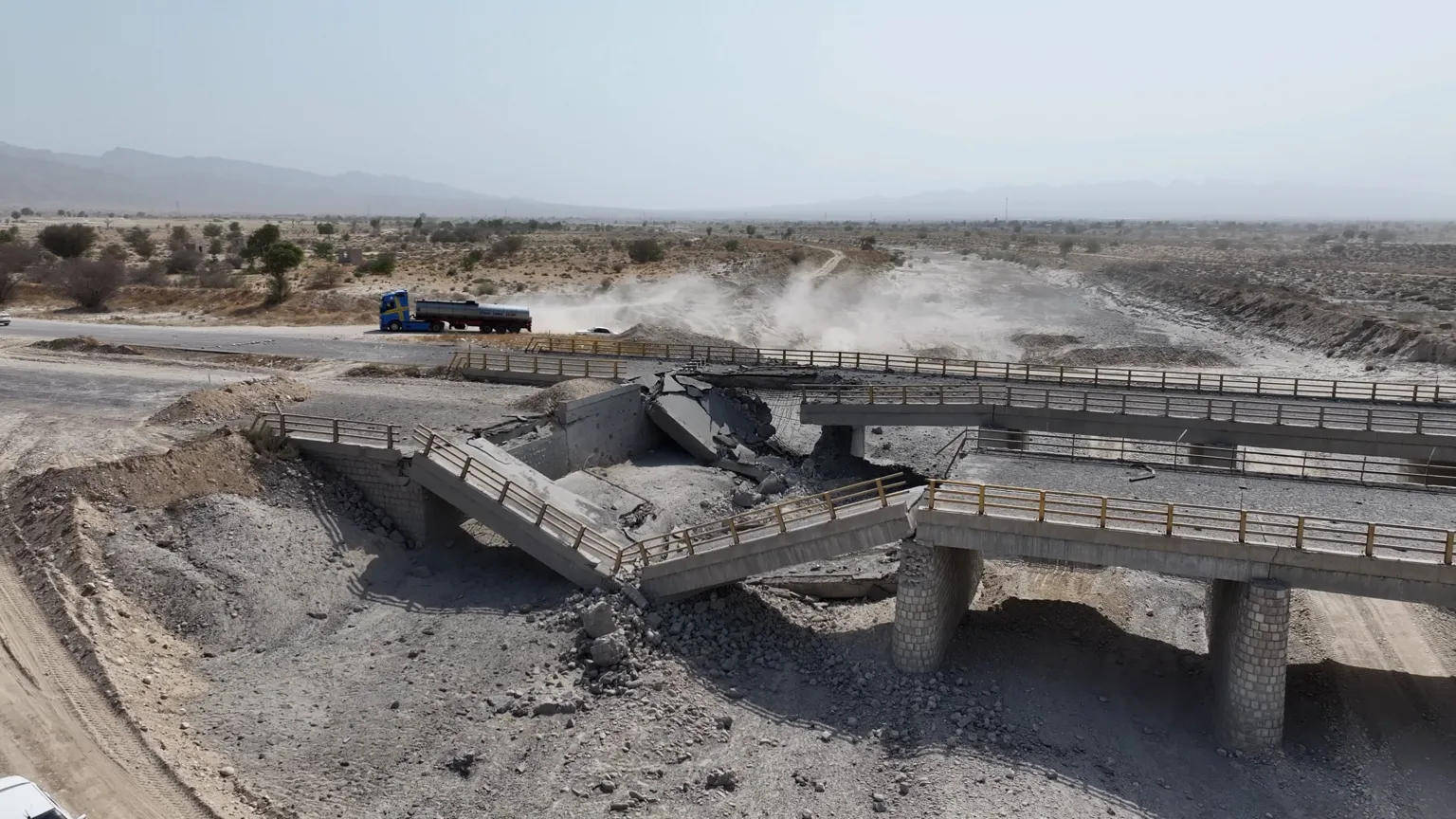
Reports from the ground indicate rising casualties and damage to infrastructure, although independent verification remains limited due to restricted access in affected areas. Civilians in several regions have reportedly fled their homes amid ongoing bombardment, adding to an already tense humanitarian situation.
The international community has urged restraint from both sides. Several global leaders and organizations have called for immediate de-escalation and diplomatic dialogue to prevent the crisis from spiraling into a broader regional war.
As the situation unfolds, analysts warn that continued military engagement could have far-reaching consequences, including disruptions to global energy markets and increased geopolitical instability. For now, the world watches closely as the conflict enters a critical and uncertain phase.









