Source Live law
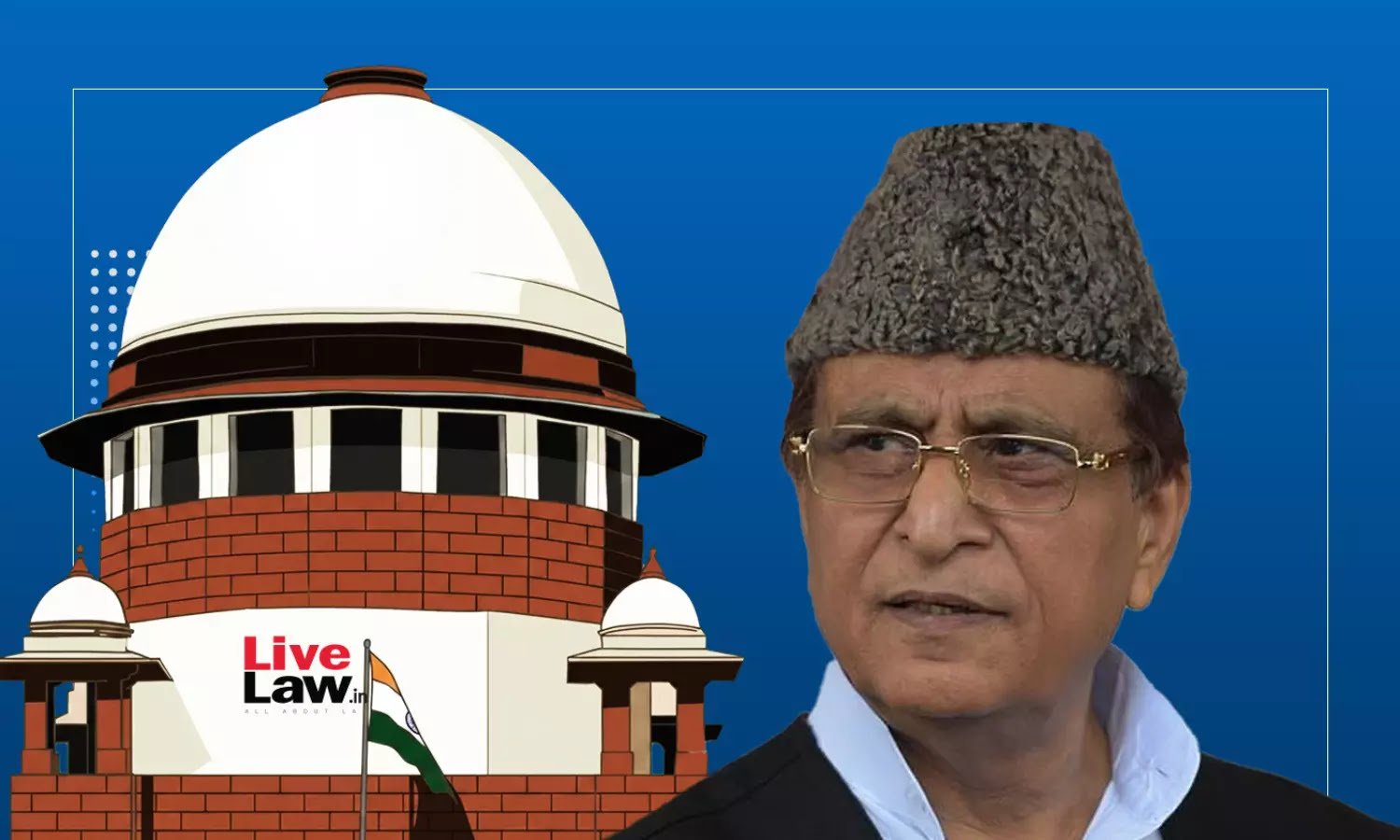
NEW DELHI — Samajwadi Party leader Azam Khan received major relief on Wednesday as the Supreme Court refused to immediately pause his temporary bail in a money laundering case. While the top court agreed to hear the Enforcement Directorate’s (ED) challenge on Thursday, November 19, it declined to block the 78-year-old politician’s release from jail.
What Happened in Court?
During an urgent hearing, Additional Solicitor General SV Raju, representing the ED, asked a three-judge bench led by Chief Justice of India Surya Kant to put the Allahabad High Court’s bail order on hold. Raju warned the judges that if the court did not step in right away, Khan would walk out of jail.
However, the bench—which also included Justices Joymalya Bagchi and V Mohana—refused the request. “Heavens will not fall. Let him remain on interim bail,” Justice Bagchi remarked, adding that the court would properly hear the agency’s appeal tomorrow.
Why Did the ED Challenge the Bail?
On Tuesday, November 17, the Allahabad High Court granted temporary bail to Khan after questioning how the ED arrested him. The High Court noted that the agency appeared to have arrested him without giving him the written reasons for his arrest, as required by law, and called the move “motivated”.
Challenging this decision in the Supreme Court, the ED’s lawyer argued that:
No time to reply: The High Court passed the order in a hurry on the very first day without giving the agency enough time to file a full response.
Refusal to accept papers: ED officers did try to hand over the written reasons for the arrest, but Khan refused to take them.
Acts like a final order: Granting temporary bail at this stage practically settles the main case without a full trial.
Background of the Case
The legal battle stems from Khan’s arrest on October 31, when ED officials took him into custody right outside the jail gates moments after he was released on bail in a separate dual PAN card case.
The current money laundering investigation centers around alleged financial misuse and illegal land deals linked to the Maulana Mohammad Ali Jauhar Trust and the building of Mohammad Ali Jauhar University in Rampur. While Khan’s lawyers have called the arrest a political move to keep him behind bars ahead of the 2027 Uttar Pradesh Assembly elections, the ED maintains that serious financial crimes were committed.
For now, the Supreme Court’s decision means Khan’s temporary relief stands, with all eyes on Thursday’s hearing to see how the legal battle unfolds.