
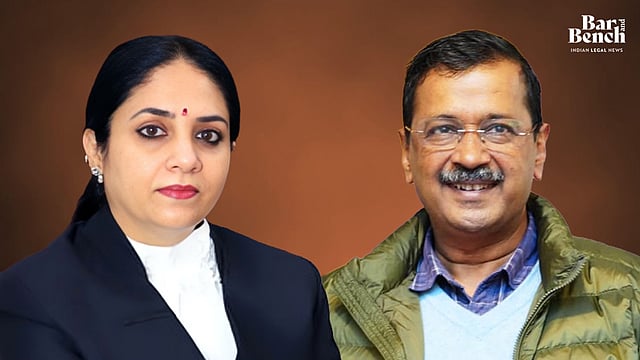
Source Bar and Bench
NEW DELHI – In a significant legal development, the Delhi High Court on Monday rejected a petition filed by Chief Minister Arvind Kejriwal seeking the recusal of Justice Swarana Kanta Sharma from hearing his plea in the ongoing excise policy case.
Justice Sharma, while dismissing the application, emphasized that the judiciary must remain insulated from “procedural maneuvering” and stated that a judge’s duty is to decide cases based on the law and facts, regardless of the status of the litigants involved.
The Grounds for Recusal
The plea for recusal was moved by Kejriwal’s legal team, who expressed concerns over potential bias. The primary arguments included:
Previous Rulings: References were made to Justice Sharma’s prior judgments in related matters within the liquor policy investigation, which the defense argued suggested a predetermined stance.
Impartiality Concerns: The defense contended that for a fair trial to be perceived by the public, a different bench should oversee the specific challenges raised by the Chief Minister.
The Court’s Rebuttal
Justice Sharma was firm in her refusal to step down, noting that “judge-shopping” or attempting to choose a specific bench cannot be encouraged. The court highlighted the following points:
Constitutional Oath: The court reminded the petitioners that judges take an oath to perform their duties without fear or favor, affection or ill-will.
Lack of Merits: The court found no “real danger of bias” that would warrant a recusal, stating that judicial consistency in interpreting law is not the same as personal prejudice.
Legal Precedent: It was noted that if every judge who had previously heard a related matter recused themselves, the judicial system would face constant delays and logistical hurdles.
Context of the Case
The excise policy case centers on allegations of corruption and money laundering in the formulation and execution of the Delhi government’s liquor policy for 2021-22. Arvind Kejriwal was arrested by the Enforcement Directorate (ED) earlier this year, sparking a long-running legal battle over the legality of his detention and the evidence presented by federal agencies.
“The mere fact that a judge has passed an order against a party in the past is no ground for recusal. Justice must not only be done but must also be seen to be done—but this cannot be used as a tool to intimidate the court.”
— Observation from the Bench
What Happens Next?
With the recusal plea dismissed, Justice Sharma will continue to hear Kejriwal’s challenge against the summons and the overall investigation by the ED. The Chief Minister’s legal team is expected to continue their arguments on the merits of the case in the coming week, though they retain the option to challenge this specific dismissal in the Supreme Court.









