Source The Hindu
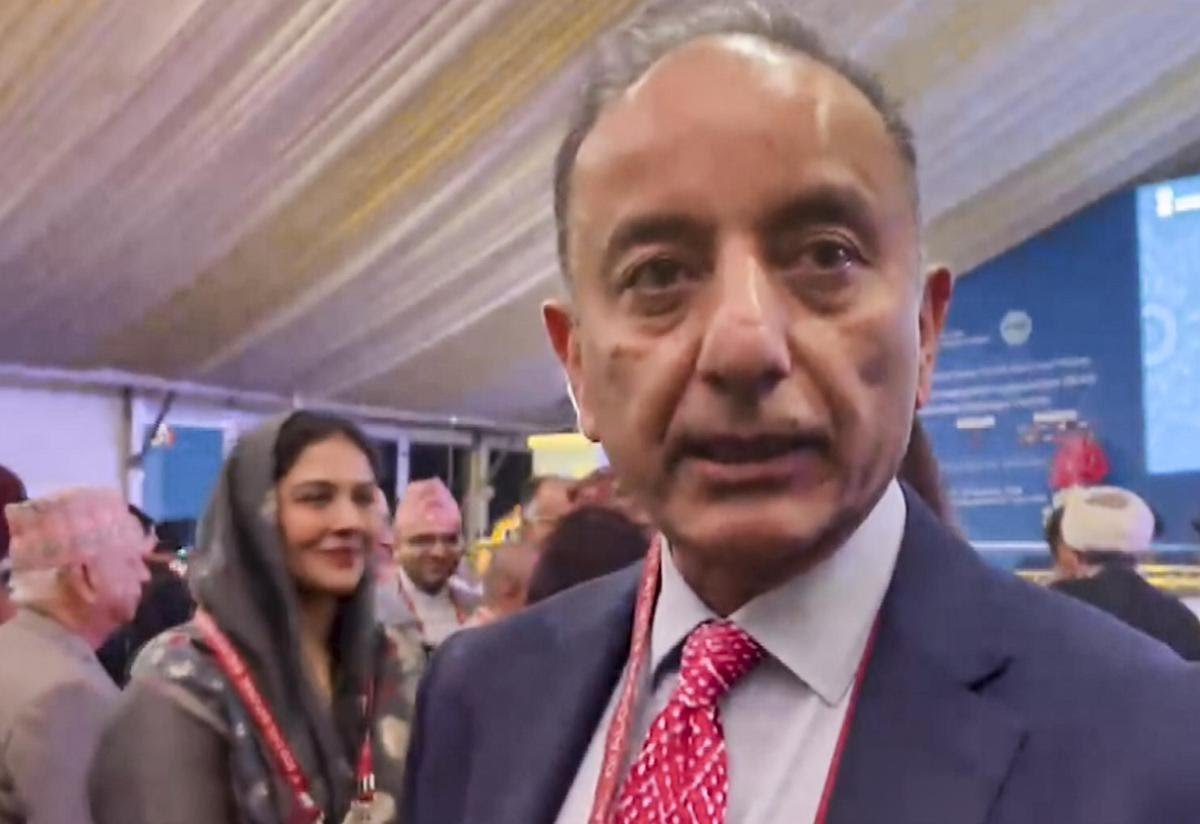
A Pakistani minister used a famous chapter from South Asian history to share a message of peace and shared heritage at an international cultural gathering. Speaking at the Shanghai Cooperation Organisation (SCO) Civilisational Forum, the minister pointed to the legacy of two rival 16th-century rulers—Mughal Emperor Humayun and Sher Shah Suri—who both left their mark on the same historic fort.
A Shared Legacy of Stone and History
During the address, the minister highlighted how both Humayun and Sher Shah Suri ruled from and built upon the famous Purana Qila (Old Fort) in Delhi. Even though the two leaders fought fiercely for control of northern India, neither destroyed what the other had built. Instead, the fort stands today as a rare blend of both their visions and architectural styles.
By bringing up the idea of “two rulers, one fort,” the minister emphasized that South Asia’s history is deeply connected. Rulers came and went, borders shifted, and empires rose and fell, yet the culture, art, and monuments they left behind belong to everyone in the region.
Using Culture to Build Bridges
The SCO Civilisational Forum brings together member nations to discuss culture, heritage, and people-to-people ties. In a region often divided by modern politics and security concerns, the minister’s remarks aimed to shift the focus toward common roots.
Key takeaways from the message included:
Shared Heritage: Historical landmarks and traditions across South Asia reflect centuries of overlapping cultures rather than strict divisions.
Coexistence: Just as one fort held the legacy of two rival emperors, modern nations can honor their own identities while respecting their neighbors.
Cultural Diplomacy: Forums like the SCO offer a neutral space where countries can connect through history, art, and dialogue instead of conflict.
Looking Forward Through the Past
History in South Asia is often used to highlight differences, making this approach stand out at an international summit. By framing Humayun and Sher Shah Suri as contributors to a single, lasting monument, the speech offered a simple reminder: cooperation and mutual respect can build things that outlast any political rivalry.