Source The Hindu
India’s retail inflation climbed to a 23-month high of 5.5% in September, putting fresh pressure on household budgets. Higher prices of food, fuel and precious metals contributed to the rise, making everyday expenses a growing concern for families across the country.
The increase in inflation is important because it affects how much people spend on essential goods and services. From kitchen supplies to transport costs, rising prices can leave households with less money for savings and other needs.
Food Prices Add to Household Pressure
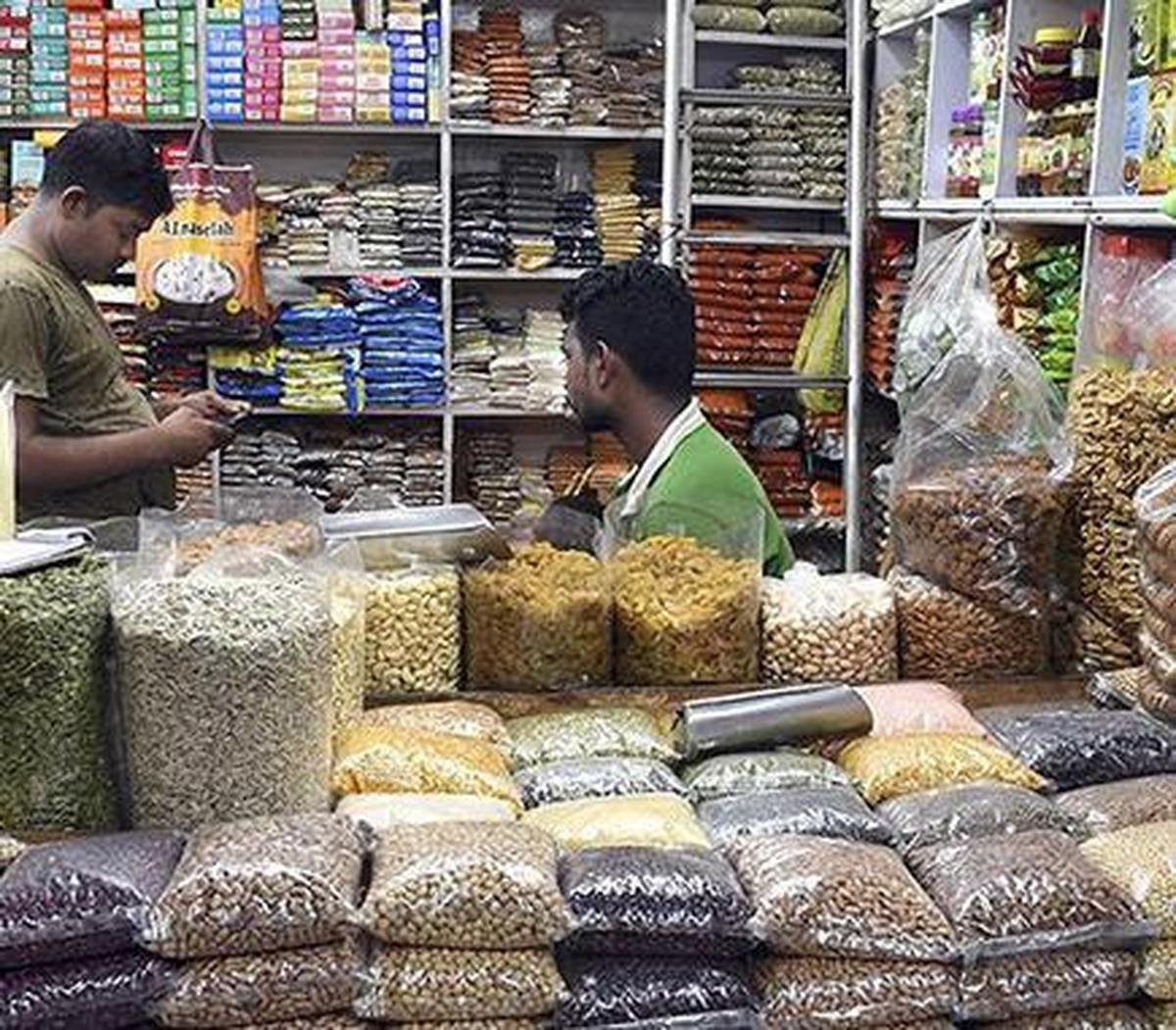
Food prices play a major role in the cost of living, especially for families that spend a large share of their income on groceries. When the prices of vegetables, cooking ingredients and other essential food items rise, households often have to adjust their monthly budgets.
For many people, even a small increase in the cost of everyday items can make a noticeable difference. Families may choose cheaper products, reduce non-essential spending or delay purchases to manage their expenses.
Food inflation also affects people differently depending on their income. Lower-income households generally feel the impact more strongly because they spend a larger part of their earnings on food and other basic needs.
Fuel Costs Add to the Burden
Fuel prices are another important factor affecting inflation. Higher fuel costs can increase transport expenses and raise the cost of moving goods from farms and factories to markets.
These additional expenses may eventually reach consumers through higher prices for food, household products and other essential items. Businesses that depend heavily on transport can also face greater operating costs.
When fuel and food prices rise together, managing household expenses becomes even more difficult. Families may find that their regular income does not stretch as far as it did in previous months.
Precious Metals Also Influence Inflation
Precious metals, including gold and silver, have also contributed to the rise in inflation. Gold prices are influenced by several factors, such as global demand, currency movements and international uncertainty.
In India, gold has a special place in weddings, festivals and family celebrations. Higher gold prices can increase the cost of jewellery purchases, making it more expensive for families to buy ornaments during important occasions.
However, the impact of precious metal prices on the overall inflation figure depends on how these items are measured in the retail price index.
What the Inflation Rise Means for the Economy
Retail inflation measures the change in prices paid by consumers for goods and services. It is one of the key indicators used to understand the cost of living and the wider economic situation.
A rise to 5.5% means consumer prices are significantly higher than they were in the same period a year earlier, based on the stated inflation rate. However, the actual increase in the cost of individual products can vary.
Inflation also matters for the Reserve Bank of India (RBI), which considers price trends while making decisions about interest rates. If inflation remains high, the central bank may be cautious about reducing borrowing costs.
Higher interest rates can make loans more expensive for households and businesses. On the other hand, lower rates can support borrowing and spending, provided inflation remains under control.