Israel has taken an important step towards forming its next government after President Isaac Herzog officially accepted the results of the recent parliamentary elections and began discussions with political parties.
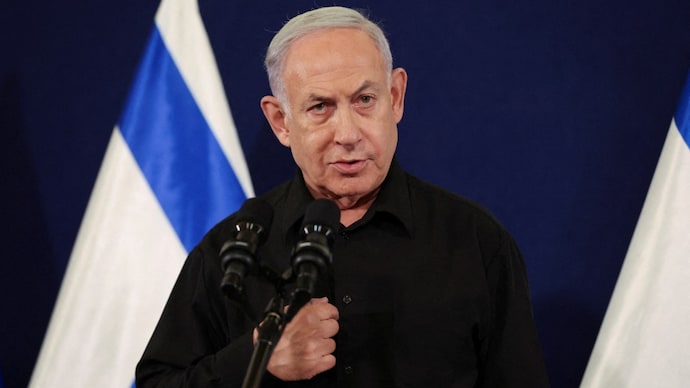
The decision comes at a time of political uncertainty, as neither Prime Minister Benjamin Netanyahu’s coalition nor his main rival Gadi Eisenkot’s alliance secured enough seats to form a government independently.
Herzog Confirms Official Election Results
President Herzog received and accepted the certified election results on November 4, confirming that the voting process would serve as the basis for forming the next government.
He also urged political leaders to respect the people’s decision and work together to find a solution.
“The elections are over. Now is the time to face reality,” Herzog said, calling on parties to show flexibility and avoid another election.
Netanyahu’s Coalition Faces a Tough Challenge
The election results have created a difficult situation for Prime Minister Benjamin Netanyahu.
His political bloc secured 53 seats in the 120-member Knesset, while the opposition alliance led by Gadi Eisenkot won 48 seats.
A party or alliance needs at least 61 seats to secure a majority and form a government.
The results have made negotiations with smaller political groups especially important for both sides.
Arab-Led Parties Gain Greater Political Influence
Arab-led political parties achieved a historic result by winning a combined 19 seats in the election.
Their support could play a major role in deciding who gets the opportunity to form the next government.
The Ra’am party and the Joint List have indicated support for Eisenkot, potentially strengthening his position in the government formation process.
However, political disagreements could still make the negotiations difficult.
Election Fraud Claims Add to Political Tensions
Netanyahu and his supporters had raised questions about the election results and alleged possible irregularities.
However, Israel’s Central Elections Committee said its review found no evidence of fraud or violations that could have affected the election outcome.
Herzog has supported a full investigation into any suspected outside interference but also warned political leaders against spreading division and making accusations without evidence.
What Happens Next?
President Herzog will continue meeting representatives of different political parties before deciding which candidate should receive the mandate to form the government.
The selected candidate will have 28 days to build a coalition, with a possible 14-day extension.
If neither Netanyahu nor Eisenkot manages to secure enough support, Israel could face another parliamentary election early next year.
For now, the focus remains on political negotiations, as the country waits to see who will lead its next government.