Source Bussiness Today
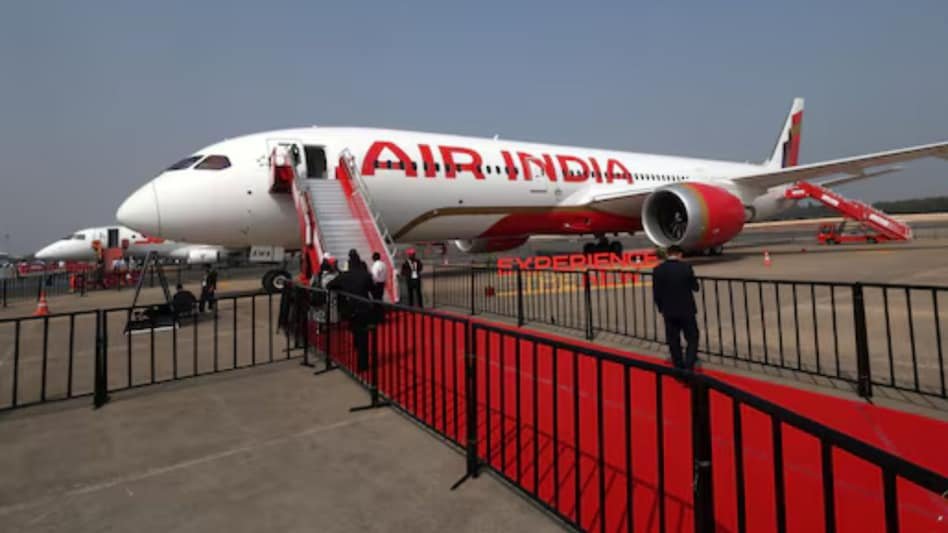
SINGAPORE — Air India’s mounting financial troubles have triggered fierce political pushback in Singapore after the carrier requested approximately $1.5 billion in fresh equity funding from its co-owners, Tata Sons and Singapore Airlines (SIA).
The funding request, which would see Singapore Airlines contribute according to its roughly 25.1% minority stake, has ignited a sharp debate in the city-state over whether national resources and state investment vehicle Temasek Holdings—SIA’s majority shareholder—should continue subsidizing the struggling Indian flag carrier.
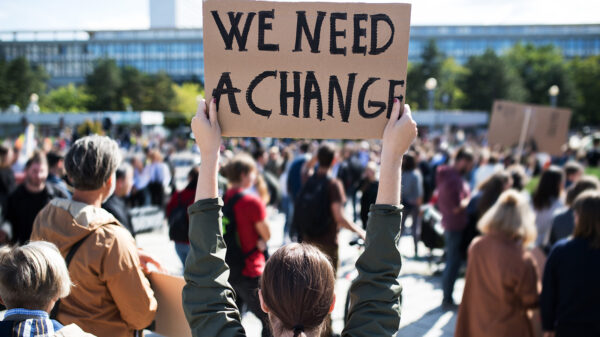
The controversy erupted after Workers’ Party Member of Parliament Kenneth Tiong Boon Kiat publicly opposed any further financial exposure for Singaporean taxpayers, declaring on social media: “No one, least of all Singaporeans, owes Air India a living. If Singapore Airlines wants to continue its bet on Air India, it should do so on its own two feet, and not on Temasek’s”.
Tiong filed a formal question for oral answer with Singapore’s Minister for Transport ahead of the September 8 parliamentary sitting. He has asked the government to clarify whether Air India’s escalating losses threaten SIA’s core operational mandate and whether the airline’s designated public status requires heightened regulatory oversight.
The $1.5 billion capital call represents one of the largest shareholder requests since Tata Group privatized the legacy carrier in 2022. SIA acquired its 25.1% stake in Air India following the merger of their joint-venture carrier, Vistara, into the national airline in late 2024.
However, Air India’s aggressive multi-billion-dollar transformation has proved slower and far costlier than initially projected. Air India and its low-cost subsidiary, Air India Express, racked up a combined net loss of $2.33 billion in the fiscal year ending March—more than double the previous year’s shortfall. The red ink has increasingly dragged on Singapore Airlines’ own financial performance, pushing SIA into a quarterly operating loss despite resilient post-pandemic travel demand.
The Indian carrier has faced severe operational headwinds, including airspace closures over Pakistan, rising aviation turbine fuel costs, and complex legacy overhauls of its aging long-haul fleet. Tata Sons Chairman N. Chandrasekaran has cautioned that the comprehensive turnaround could take up to a decade.
In response to shareholder inquiries, Singapore Airlines noted that while it views the Indian aviation market as a strategic multi-hub pillar, its board will “carefully consider” any formal capital injection requests, balancing Air India’s long-term business plan against SIA’s own capital allocation priorities.
With Tata Sons and SIA management currently reviewing the multi-tranche proposal, the brewing political showdown in Singapore signals that future capital flows into Air India will face intense public scrutiny.