
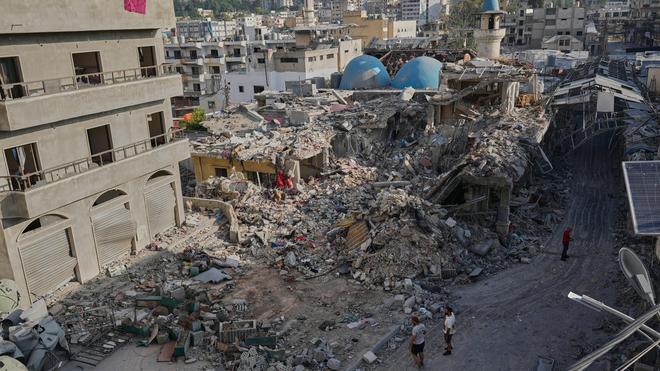
Source The Hindu
TEHRAN — Following a major breakthrough that promises an end to nearly four months of intense conflict, Iranian Foreign Minister Abbas Araghchi announced on Tuesday that formal, comprehensive negotiations between Iran and the United States will begin later this week.
The upcoming talks will focus on the highly contentious issues of Iran’s nuclear program and the lifting of biting Western economic sanctions.
The announcement comes on the heels of a newly brokered Memorandum of Understanding (MoU) between Washington and Tehran, which includes a 60-day ceasefire and the total reopening of the strategic Strait of Hormuz. The interim agreement is scheduled to be signed in person this Friday, June 19, 2026, at the Burgenstock resort in Switzerland.
Laying the Groundwork for a 60-Day Diplomatic Window
According to Iranian officials, the framework agreement sets up a strict 60-day timeline to hammer out a final, permanent treaty.
“In the final agreement, decisions will be made on the nuclear issues and the lifting of sanctions,” Foreign Minister Araghchi stated.
However, Araghchi also signaled deep-seated caution, noting the long history of distrust between the two nations. “We have a history of broken commitments; we have a history of agreements being torn up. All of this is present in our minds,” he added.
Key Pillars of the Framework Agreement
ProvisionStatus / Detail
Strait of HormuzTo be fully reopened toll-free by Friday, ending the naval blockade.
Ceasefire Timeline60 days of halted military operations to facilitate technical talks.
Nuclear StockpilesU.S. and IAEA to assist Iran in dismantling highly enriched uranium.
Economic ReliefPotential unfreezing of $12 billion in Iranian assets and rolling back of sanctions.
The View from Washington and Regional Roadblocks
In the United States, President Donald Trump confirmed the de-escalation framework and ordered an immediate halt to the U.S. naval blockade on Iranian ports. Speaking from the G7 summit in France, President Trump emphasized that the absolute focus of the upcoming final treaty is ensuring Iran never acquires a nuclear weapon.
U.S. Vice President J.D. Vance, who is expected to lead the American delegation to Switzerland for Friday’s signing, characterized the current MoU as a “very general document” that opens the door for rigorous nuclear inspections.
Despite the optimistic dip in global oil prices following the news, significant obstacles remain before a final deal can be inked:
The Uranium Disagreement: Washington and its close ally Israel are pushing for a total elimination of Iran’s highly enriched uranium and a multi-decade suspension of enrichment activities. Tehran, conversely, continues to defend its fundamental right to domestic uranium enrichment.
The Lebanon Front: A durable peace remains tethered to volatile regional dynamics. Minister Araghchi stressed that a permanent end to hostilities on all fronts—specifically a complete ceasefire between Israel and the Iran-backed Hezbollah militia in Lebanon—is an “inseparable part” of any final settlement. Meanwhile, Israeli Prime Minister Benjamin Netanyahu has maintained that Israel will retain its military positions in southern Lebanon, highlighting a major potential flashpoint that could derail the 60-day talks.
With negotiators from both sides preparing to travel to Switzerland, the coming weeks will determine whether this preliminary framework can successfully transition into a historic, permanent peace accord for West Asia.









