
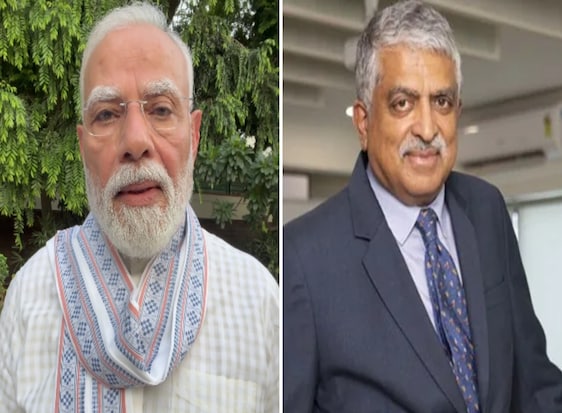
Source NDTV
NEW DELHI — In a major effort to restore credibility and modernize India’s public testing framework, Prime Minister Narendra Modi announced the creation of a high-powered task force on examination reforms. The panel will be chaired by tech veteran and Infosys co-founder Nandan Nilekani.
The announcement was made via a video message on social media. The Prime Minister reassured students that the government is determined to make competitive examinations completely leak-proof, transparent, and technology-driven.
“Those who tampered with the students’ future are languishing in jail,” Prime Minister Modi stated, highlighting recent enforcement actions. “However, we must look to the future. Our examination system needs to be reliable and transparent, and it must make maximum use of technology.”
High-Profile Panel of Experts
The newly constituted panel brings together leaders from technology, administration, logistics, and scientific research. Joining Nilekani on the task force are:
S. Somanath — Former Chairman, Indian Space Research Organisation (ISRO)
Tapan Deka — Former Director, Intelligence Bureau (IB)
Prof. V. Kamakoti — Director, IIT Madras
Anita Karwal — Former Union Education Secretary
Amrit Lal Meena — Senior logistics expert
The task force has been mandated to review the operational and technical protocols of public tests—including those conducted by the National Testing Agency (NTA)—and recommend long-term, future-proof solutions.
Multi-Pronged Push to Combat Paper Leaks
The creation of the Nilekani-led committee is part of a broader crackdown on examination fraud following months of scrutiny over major national entrance tests.
The government plans to table amendments to the Public Examinations (Prevention of Unfair Means) Act in Parliament. Under the proposed stricter provisions, individuals involved in leaking question papers could face at least 5 years in prison, while organized crime syndicates could face sentences of up to 10 years along with financial penalties up to ₹10 crore. Fast-track courts are also being established to ensure swift trial and punishment for offenders.
By tapping Nandan Nilekani—the architect behind India’s Aadhaar digital identity infrastructure—the administration aims to leverage advanced digital security, encrypted distribution systems, and biometric authentication to eliminate human vulnerabilities in test administration.
The task force is expected to submit its initial findings and recommendations shortly to ensure timely implementation before the upcoming academic exam cycle.









