Source The Hindu
The Reserve Bank of India’s (RBI) Monetary Policy Committee (MPC) unanimously decided to keep the benchmark repo rate unchanged at 5.25% for the fourth consecutive policy meeting. Retaining its “neutral” stance, the central bank chose to adopt a wait-and-watch approach to assess persistent geopolitical friction, volatile global energy prices, and near-term inflationary pressure.
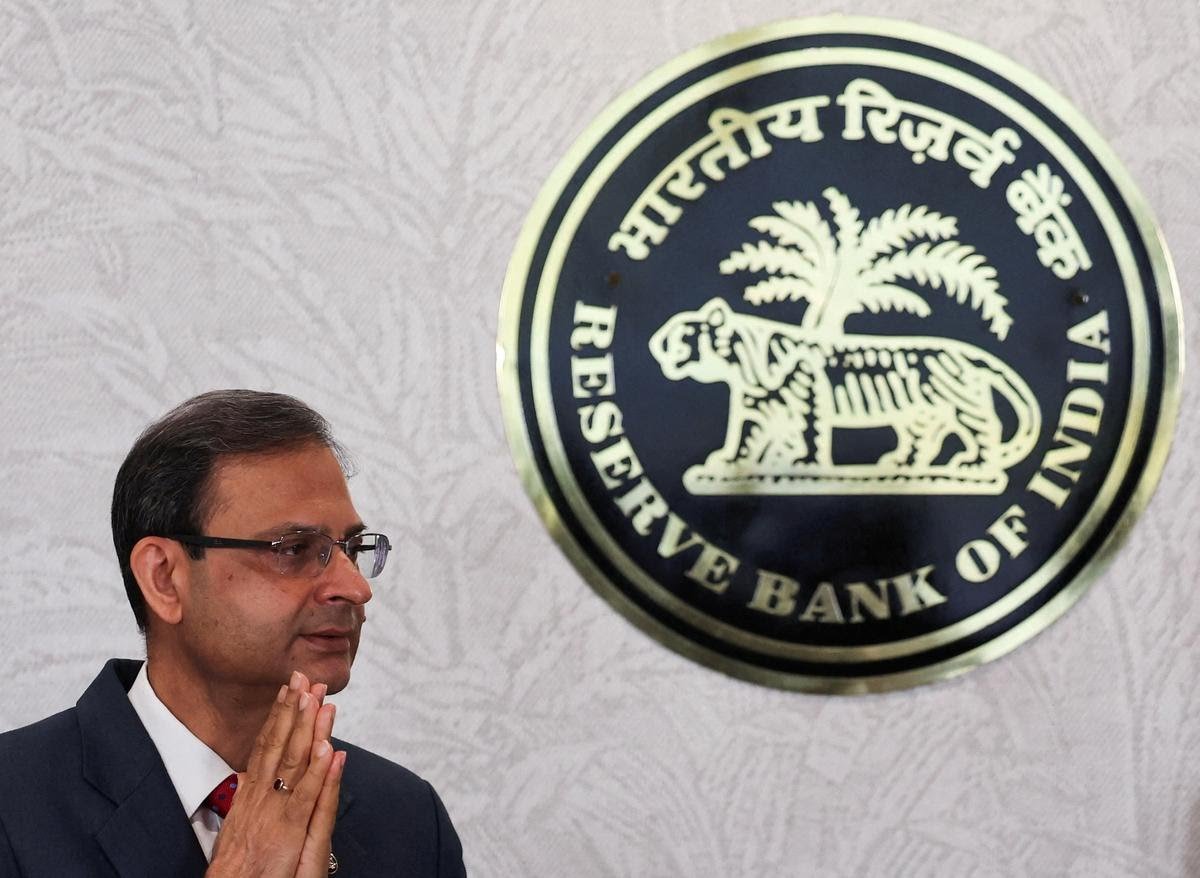
Announcing the decision following the three-day meeting, RBI Governor Sanjay Malhotra highlighted that while India’s domestic economic momentum remains strong, global economic volatility necessitates policy caution before considering any shift in rate trajectories.
Key Policy Decisions at a Glance
Policy Repo Rate: Unchanged at 5.25%
Standing Deposit Facility (SDF) Rate: 5.00%
Marginal Standing Facility (MSF) Rate: 5.50%
Bank Rate: 5.50%
Monetary Stance: Neutral
Growth Outlook Upgraded, Inflation Expectations Trimmed
Alongside the rate pause, the central bank upgraded its growth projections for the current financial year (FY27). Upbeat domestic demand, healthy service exports, strong bank credit flow, and resilient capital investment led the RBI to raise its real GDP growth forecast to 6.7%, up 10 basis points from earlier estimates.
MetricProjection (FY27)Breakdown by Quarter
Real GDP Growth6.7%Q1: 7.0% | Q2: 6.4% | Q3: 6.5% | Q4: 6.8%
CPI Inflation5.0%Q2: 4.7% | Q3: 5.9% | Q4: 5.5%
On price stability, headline inflation edged up to 4.4% in June due to seasonal spikes in food prices and global fuel cost pressures. However, the MPC noted that underlying core inflation (excluding precious metals) remains benign at 3.9%, indicating that price spikes are largely supply-driven rather than indicative of generalized demand overload.
Navigating External Turbulence
The MPC emphasized that external headwinds—including elevated oil prices stemming from West Asia conflicts, supply chain bottlenecks, and volatile foreign exchange markets—pose ongoing risks. Furthermore, a potentially uneven southwest monsoon and El Niño conditions are being closely monitored for their impact on rural consumption and agriculture.
By maintaining status quo on interest rates, borrowing rates for home, personal, and corporate loans will remain steady for now, providing stability across the domestic banking and financial system.