
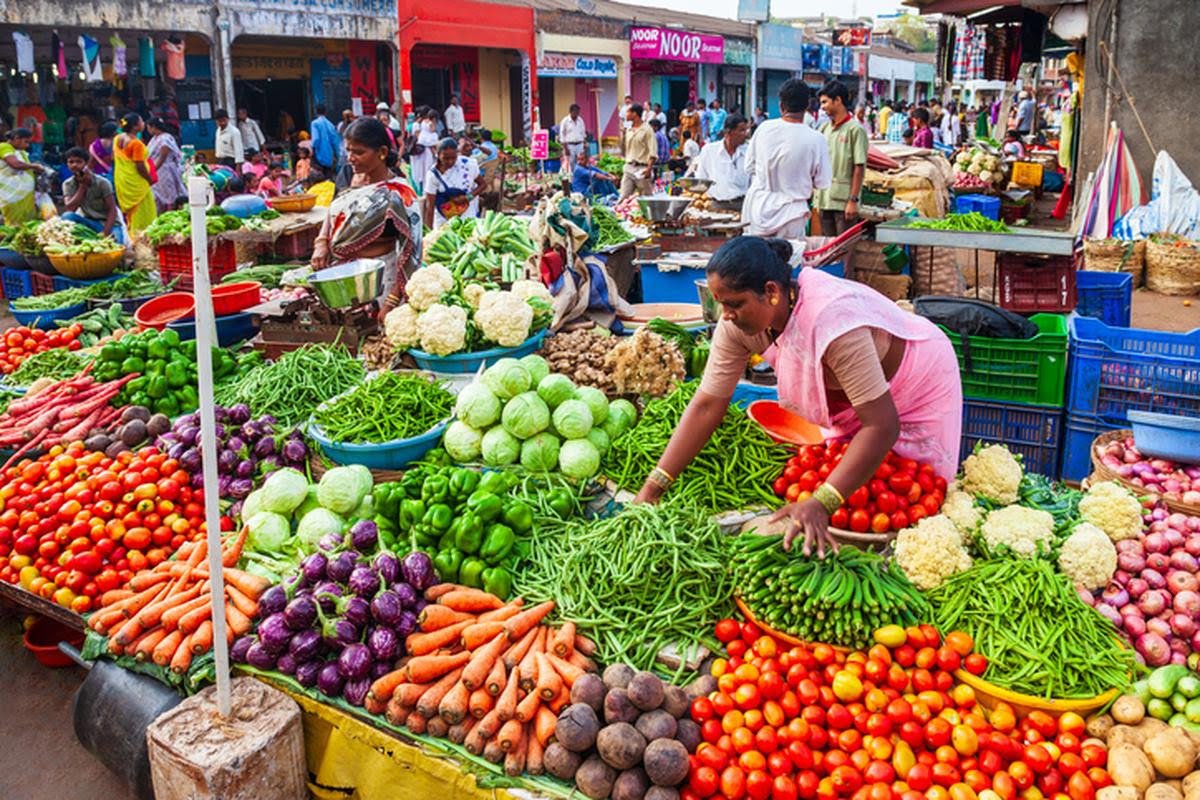
Source The Hindu
India’s retail inflation surged to a notable 18-month high of 4.4% in June 2026, driven primarily by increasing food and fuel prices, according to the latest government data. The rise marks a significant uptick from previous months and signals renewed pressure on household budgets across the country.
Food inflation emerged as the key contributor to the spike, with prices of essential items such as vegetables, pulses, and cereals witnessing a steady increase. Unfavourable weather conditions in some regions, along with supply chain disruptions, have been cited as major reasons behind the rise in food costs.
Fuel prices also played a crucial role in pushing inflation higher. Global crude oil trends and domestic pricing adjustments led to increased transportation and logistics costs, which in turn impacted the prices of several goods and services.
Economists note that while the inflation rate remains within the Reserve Bank of India’s tolerance band, the upward trend could pose challenges for monetary policy decisions in the coming months. The central bank has been closely monitoring inflation dynamics to maintain a balance between economic growth and price stability.
Meanwhile, urban consumers have reported a sharper impact due to higher living costs, while rural areas are also feeling the strain as essential commodities become more expensive. Experts warn that if food and fuel prices continue to rise, inflationary pressures may persist in the near term.
The government, on its part, is expected to take measures to stabilize prices, including improving supply chains and reviewing fuel pricing mechanisms. Analysts believe that timely interventions could help ease inflation and provide relief to consumers.
As India navigates this phase of rising prices, both policymakers and consumers remain cautious about the months ahead, keeping a close watch on inflation trends and their broader economic impact.









