
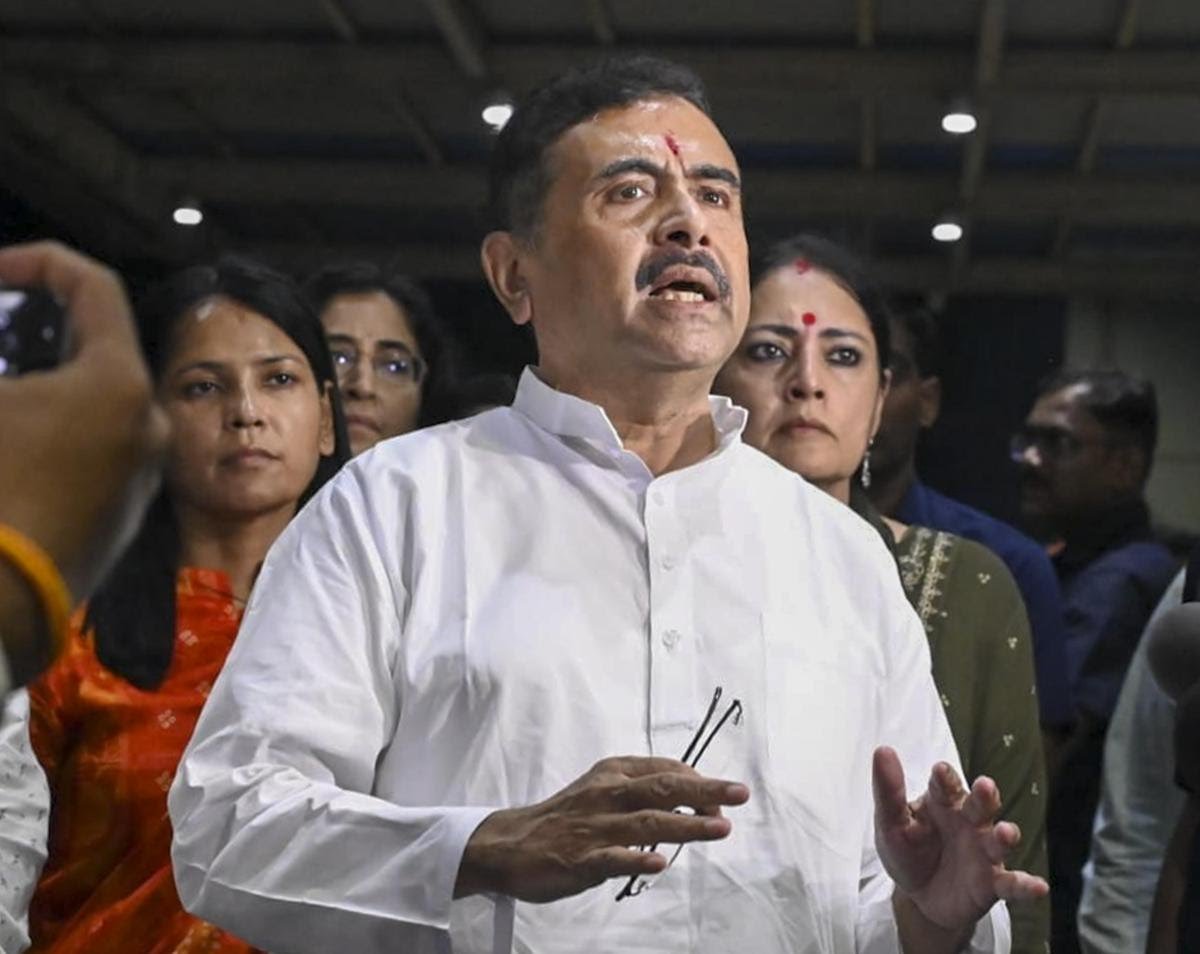
Source The Hindu
KOLKATA — In a major legislative move barely two months after taking office, the newly formed Bharatiya Janata Party (BJP) government in West Bengal has officially initiated the process to introduce a Uniform Civil Code (UCC) in the state.
Chief Minister Suvendu Adhikari announced in the Legislative Assembly on Monday that a high-level committee, led by retired Supreme Court Judge Ranjana Prakash Desai, has been formed to evaluate family laws and draft the state’s UCC framework. The draft Bill is scheduled to be presented before the State Cabinet on July 2, 2026, with plans to introduce the final legislation in the Assembly by August.
A Common Civil Framework with Key Exemptions
The proposed Uniform Civil Code seeks to replace faith-based personal laws with a single, secular legal architecture governing all citizens. The code will standardise nine major civil issues, including:
Marriage and divorce procedures
Property inheritance and succession
Child custody and adoption
Legal parameters surrounding live-in relationships
To navigate complex demographic considerations, state BJP President Samik Bhattacharya and Chief Minister Adhikari clarified that constitutionally protected Scheduled Tribes will remain entirely outside the purview of the law.
“Ancient tribal communities and indigenous people will remain outside the purview of the UCC Bill. Their customs, traditions, and special rights will continue to be fully protected,” Chief Minister Adhikari stated during a heated Assembly session.
By excluding tribal populations, the upcoming changes will primarily interface with the state’s Hindu, Muslim, and Christian demographics. West Bengal follows in the footsteps of Uttarakhand, Gujarat, and Assam, becoming the latest state to move forward with a localised UCC framework.
Political Showdown Brews in the Assembly
The announcement has set off an immediate political storm in the state. The policy directly fulfills a core promise made in the BJP’s Sankalp Patra (election manifesto), which pledged to implement a standard civil code within six months of taking power.
However, the opposition is gearing up for a fierce legislative battle. The Trinamool Congress (TMC), spearheaded by chairperson Mamata Banerjee, has directed its lawmakers to strongly resist the Bill both inside and outside the Assembly.
PartyOfficial Stance on West Bengal UCC
BJP (Ruling)Essential for legal equality, gender justice, and fulfilling the constitutional directive under Article 44.
TMC (Opposition)Critiques the move as a tool for political polarisation; demands wider public consultation and consensus.
TMC leadership argued that personal and family laws are highly sensitive and require deep societal consensus rather than rapid legislative implementation. Minority outfits and bodies like the All India Muslim Personal Law Board have also voiced strong opposition, stating that the law infringes upon constitutional religious freedoms.
The drafting committee has been given a strict four-week timeline to gather public feedback, review existing legal precedents, and submit its comprehensive report to the state administration before the Bill hits the Assembly floor later this summer.









