Source The Hindu
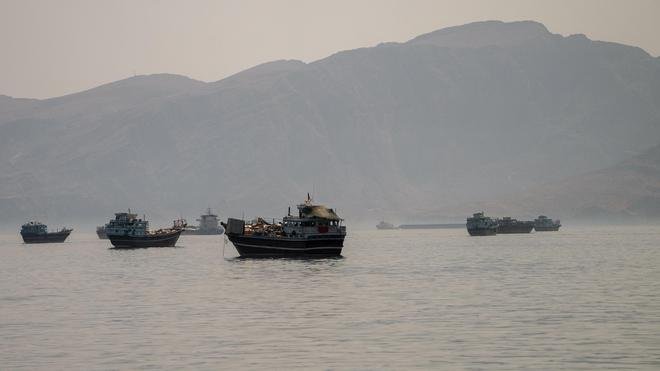
Global maritime traffic through the Strait of Hormuz has begun to recover following a recent agreement between the United States and Iran aimed at ending months of conflict, according to marine tracking data.
Ship-monitoring firms reported a noticeable rise in vessel crossings on June 18, with around 25 ships transiting the crucial oil corridor—the highest daily count since mid-April. While still significantly below pre-war levels of over 100 crossings per day, the increase signals cautious optimism in global shipping and energy markets.
The uptick follows a ceasefire memorandum that includes provisions for reopening the waterway and easing restrictions imposed during the conflict. The United States has started lifting its naval blockade, while Iran has allowed commercial vessels to resume passage under certain conditions.
However, maritime experts warn that the recovery remains fragile. The strait, which handles nearly 20% of the world’s oil and gas shipments, is still affected by lingering security threats, including naval mines and military monitoring. Full normalization of traffic may take time, as clearance operations continue and shipping companies assess risks.
Adding to the uncertainty, Iran has proposed new transit rules, including permits and possible fees for ships passing through the route. These measures have sparked concerns within the global shipping industry, which considers the strait an international passage.
Despite these challenges, oil-producing nations in the Gulf are preparing to ramp up exports, and several tankers have already resumed journeys through the corridor. Analysts say that while the recent surge in crossings is encouraging, sustained recovery will depend on long-term political stability and clear maritime regulations.
The reopening of the Strait of Hormuz is seen as a critical step toward stabilizing global energy supply chains, though geopolitical tensions in the region continue to cast a shadow over the fragile peace.