Source BBC
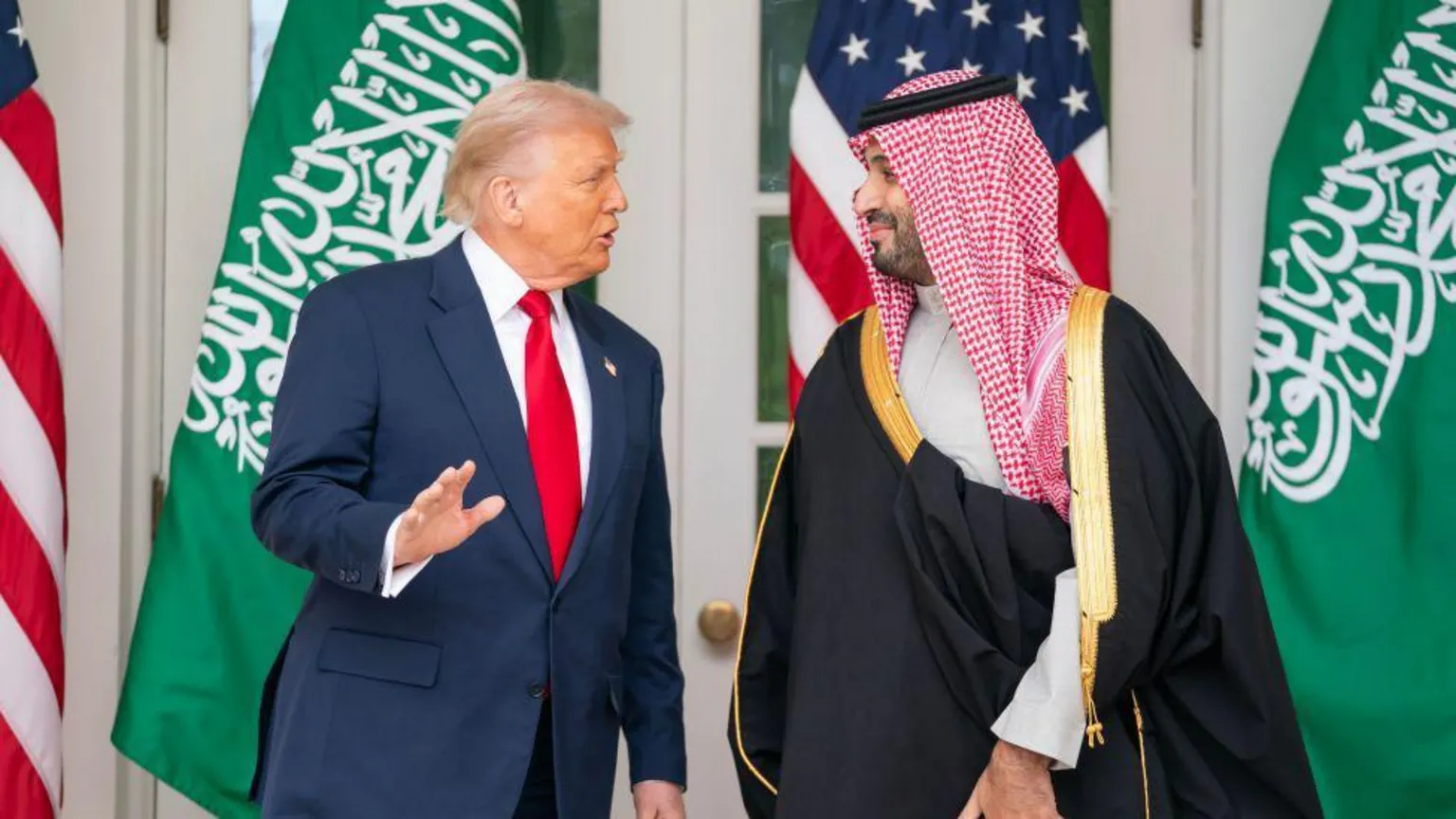
WASHINGTON — The Trump administration has signed a landmark 30-year civilian nuclear cooperation agreement with Saudi Arabia, setting off a fierce debate in Washington over nuclear non-proliferation, regional security, and long-standing American foreign policy tenets.
The pact, signed by U.S. Energy Secretary Chris Wright and Saudi Minister of Energy Prince Abdulaziz bin Salman, establishes a formal “123 Agreement” under Section 123 of the U.S. Atomic Energy Act. It lays the ground for multi-billion-dollar commercial investments involving American firms—such as Westinghouse—to develop Saudi Arabia’s civilian nuclear infrastructure.
However, the agreement represents a stark departure from decades of non-proliferation protocol, dropping restrictions that previous U.S. administrations had treated as non-negotiable.
Departure from the “Gold Standard”
For years, Washington’s civilian nuclear deals required partner nations to accept the so-called “gold standard”—a legally binding commitment to forgo domestic uranium enrichment and spent-fuel reprocessing. This safeguard was most notably included in the 2009 U.S. agreement with the United Arab Emirates.
Under the newly signed accord, Saudi Arabia is not required to renounce domestic enrichment. Instead, the two nations will undertake a two-year joint study to evaluate whether constructing a enrichment facility on Saudi soil is economically viable. Should enrichment move forward, the plan calls for American companies to construct and operate the facility under a secure “black box” arrangement, meant to prevent Saudi engineers from obtaining sensitive enrichment technology while allowing the kingdom to supply its own fuel.
Furthermore, the accord omits the International Atomic Energy Agency’s (IAEA) Additional Protocol, which grants international inspectors wide-ranging, short-notice access to non-declared nuclear sites. Instead, verification will primarily be conducted by specialized U.S. monitoring teams under a national security waiver signed by President Trump.
The administration also decoupled the nuclear package from previous demands that Saudi Arabia first normalize diplomatic relations with Israel under the Abraham Accords.
Administration Rationale: Geopolitics & Industry
Trump administration officials defend the agreement as a vital economic and geopolitical victory.
“These agreements reflect our two nations’ shared commitment to strengthening U.S.-Saudi commercial relations, delivering prosperity at home and security to our allies abroad,” said U.S. Energy Secretary Chris Wright, emphasizing that the deal upholds strict safety and non-proliferation benchmarks.
Key arguments put forward by proponents include:
Countering Foreign Influence: Preventing Riyadh from turning to competing global suppliers—namely China or Russia—for its nuclear program.
Economic Expansion: Rebuilding the U.S. domestic nuclear industry and securing tens of billions of dollars in export contracts for American manufacturers.
Energy Transition: Assisting Saudi Arabia’s “Vision 2030” goals to diversify its energy mix, conserve domestic oil for export, and power massive infrastructure like AI data centers.
Backlash and Proliferation Concerns
The deal has drawn immediate pushback from non-proliferation experts, regional neighbors, and members of Congress.
Critics point out that Saudi Crown Prince Mohammed bin Salman has previously stated that if Iran were to acquire a nuclear weapon, Saudi Arabia would follow suit. Non-proliferation scholars worry that granting a path toward enrichment could spark a regional arms race across the Middle East.
Policy AspectTraditional Policy (“Gold Standard”)New U.S.–Saudi 123 Agreement
Domestic EnrichmentExplicitly forbidden / renouncedPermitted via joint study & U.S. “black box” operation
IAEA InspectionEnhanced via Additional ProtocolU.S. bilateral inspection mechanism under national security waiver
Regional LinkageTied to Israel normalizationStandalone civil nuclear framework
The agreement now moves to Capitol Hill for a mandatory review period. While lawmakers in both parties have expressed alarm over the reduced inspection safeguards, blocking the deal would require a veto-proof two-thirds majority in both chambers of Congress.