
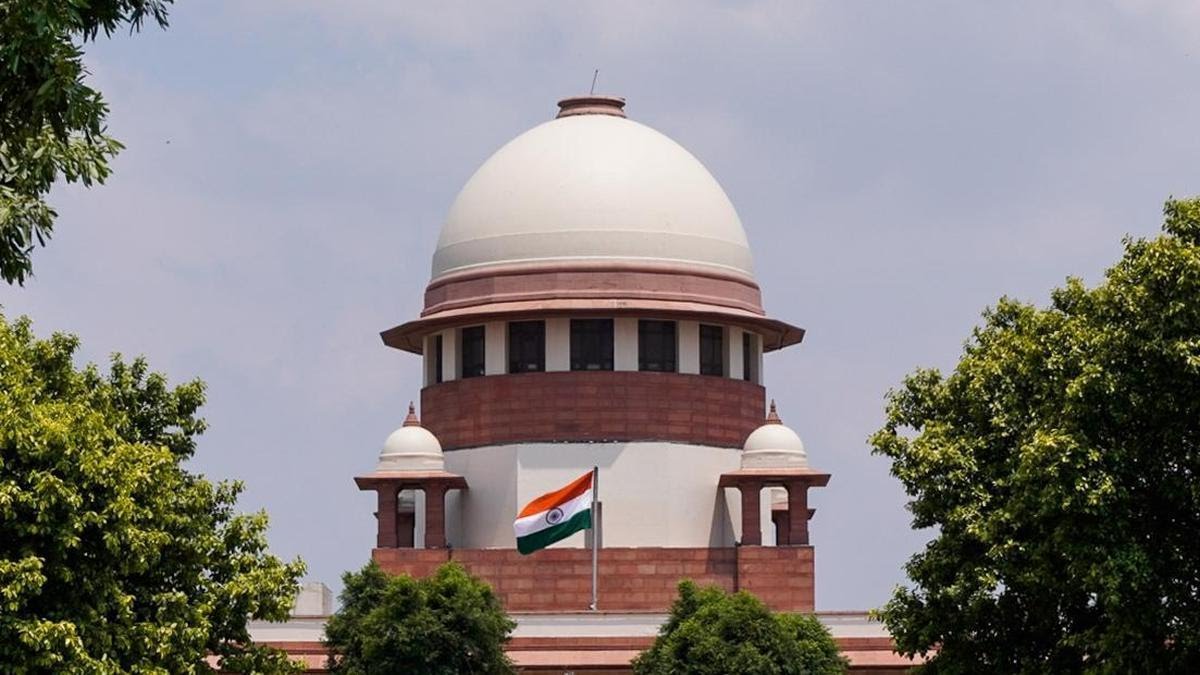
Source The Hindu
NEW DELHI — In a landmark assertion aimed at protecting the bedrock of Indian democracy, the Supreme Court declared that free and fair elections are impossible without a truly independent Election Commission. The apex court emphasized that the officials steering the country’s electoral machinery must be entirely insulated from political influence and executive interference.
The observations came during a hearing focused on the appointment process of Election Commissioners (ECs) and the Chief Election Commissioner (CEC). The bench stressed that the purity of the electoral process is paramount to maintaining public trust in democratic institutions.
Insulation from Political Pressure
The Supreme Court highlighted that an independent election body cannot just exist on paper; it must be reflected in how its members are chosen and how they function.
“Free and fair elections are the foundation of a healthy democracy. If the Election Commissioners are beholden to the executive, the fairness of the entire process is compromised,” the court remarked.
The bench raised concerns over the current system of appointments, suggesting that the executive currently holds unilateral power in selecting the watchdogs of democracy. The court argued that a transparent mechanism is vital to ensure that the individuals appointed possess the strength of character to remain impartial, even under immense political pressure.
Key Takeaways from the Court’s Observation
Democratic Foundation: Free and fair elections are non-negotiable for a functioning democracy.
Institutional Autonomy: The Election Commission must be entirely independent of the ruling government’s influence.
Appointment Transparency: The court advocated for a robust, bipartisan, or independent selection process to ensure neutral appointments.
Public Trust: Integrity within the Commission is directly tied to the citizen’s faith in election outcomes.
Moving Toward Reform
The top court’s fiery remarks have reignited the debate surrounding electoral reforms in India. Legal experts and opposition leaders have long called for a selection committee—similar to the one used to appoint the CBI Director—which includes the Prime Minister, the Leader of the Opposition, and the Chief Justice of India.
The Supreme Court concluded that safeguarding the independence of the Election Commission is not just a legal formality, but a constitutional necessity to prevent democracy from subverting into an oligarchy. The ruling is expected to pave the way for a more scrutinized and balanced approach to high-level constitutional appointments moving forward.









