Source Mint
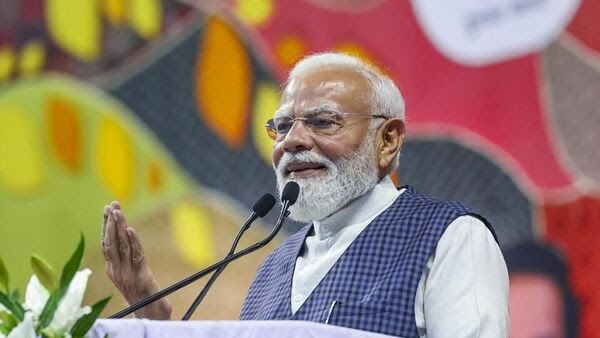
New Delhi: As Narendra Modi becomes India’s longest-serving Prime Minister, a series of significant changes in income-tax rules and Goods and Services Tax (GST) rates have come into focus, impacting millions of taxpayers and businesses across the country.
Over the past year, the government has introduced multiple reforms aimed at simplifying taxation, boosting compliance, and encouraging economic growth. One of the most notable changes in the income-tax regime is the continued push toward the new tax system, which offers lower tax rates but removes several exemptions and deductions. Taxpayers are increasingly being nudged to shift to this simplified structure, with it now set as the default option.
In addition, revisions in tax slabs and rebates have provided relief to middle-income groups, while digital filing systems have been further streamlined to reduce processing time and enhance transparency. The government has also tightened compliance measures, using data analytics to track discrepancies and curb tax evasion.
On the indirect tax front, the GST Council has undertaken key rate rationalizations. Several items have seen rate adjustments to correct past anomalies and stabilize revenue collections. Essential goods have largely remained in lower tax brackets, while some luxury and non-essential items have faced higher rates.
Small businesses, in particular, have benefited from simplified return filing procedures and threshold exemptions, although concerns remain about compliance burdens for certain sectors. Meanwhile, efforts to integrate technology into GST systems have improved efficiency but also required businesses to adapt quickly.
Economic analysts note that these reforms reflect a broader strategy to widen the tax base while maintaining fiscal discipline. The government’s emphasis on digitization and formalization of the economy has played a crucial role in increasing tax collections over time.
As Modi marks this political milestone, the evolving tax framework underscores his administration’s focus on structural reforms. While the changes aim to create a more efficient and transparent system, their long-term success will depend on how effectively they balance taxpayer convenience with revenue needs.