Source The Hindu
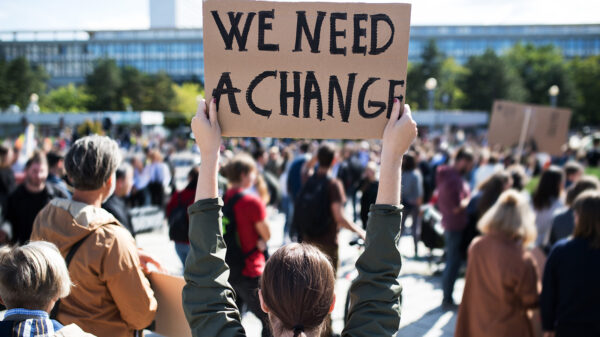
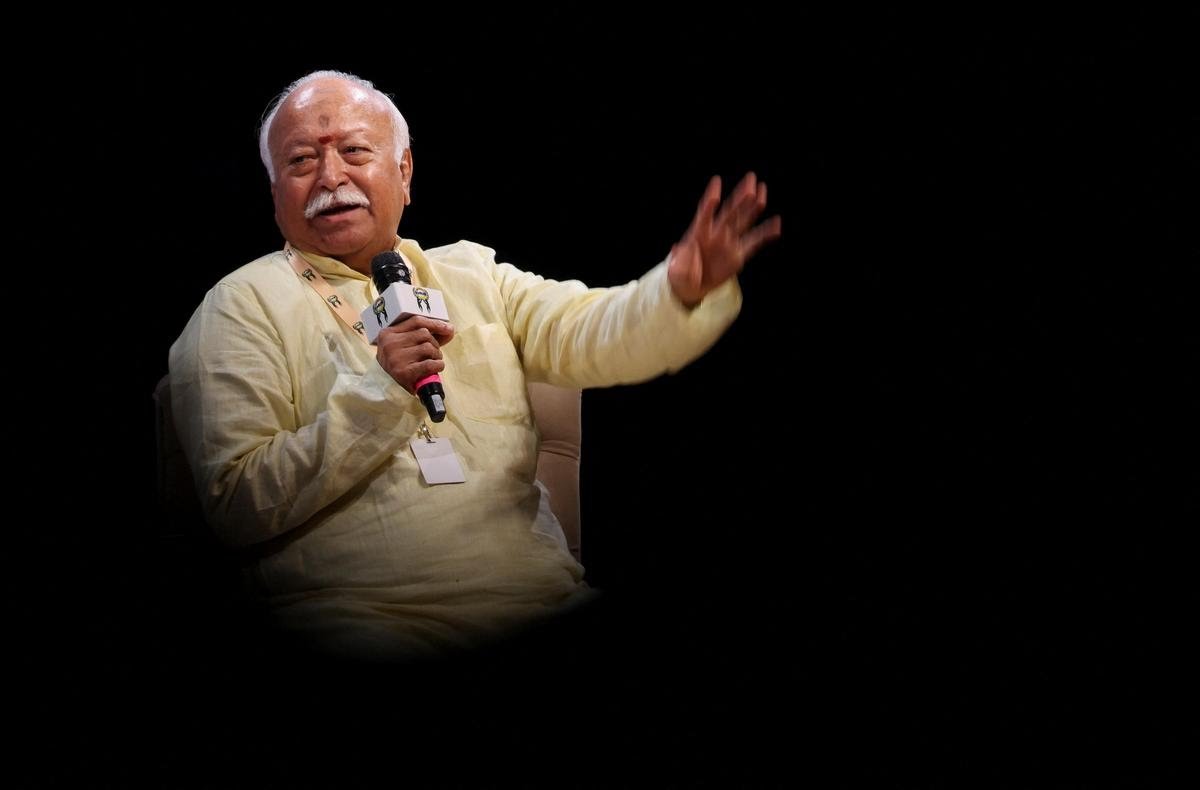
MUMBAI — Rashtriya Swayamsevak Sangh (RSS) chief Mohan Bhagwat strongly backed young students protesting across the country, describing the grievances of Generation Z as genuine and asserting that peaceful demonstration is a legitimate form of dialogue in a democracy.
Addressing an audience of over 2,000 students at the 15th-anniversary conference of India’s International Movement to Unite Nations (IIMUN) in Mumbai, Bhagwat rejected attempts to label protesting youths as “anti-national.”
“If Gen Z is protesting, they are not anti-national. They are our own people, our next generation,” Bhagwat said, emphasizing that elders and authorities must approach the youth with empathy and a sense of belonging.
Key Highlights from the Address
Legitimacy of Protests: Calling agitation a natural progression when dialogue fails, Bhagwat noted, “Protest is a way of dialogue. In a democracy, protest is a way of building consensus, not creating divisions.”
Demands for Transparency: The RSS chief remarked that today’s youth demand logical, reasoned explanations rather than blind obedience. “Gen Z is more honest than our generation. Today’s generation wants logical answers,” he noted.
Education Reforms: Stressing that education must remain accessible, Bhagwat argued that schooling and higher education should not be treated as commercial ventures, advocating for increased public expenditure in the sector.
Constitutional Framework: While validating their anger, he urged young citizens to adhere to constitutional methods established by Dr. B.R. Ambedkar when seeking accountability.
Context Behind the Statement
Bhagwat’s outreach comes in the wake of widespread student agitations over examination paper leaks and systemic irregularities in entrance tests like NEET. The nationwide demonstrations sparked intense debate over government handling of youth concerns and police action against student assemblies.
When asked about reported police lathi-charges on young demonstrators, Bhagwat stated he lacked complete operational details but added, “If I am asked to place my faith in someone, I would place my faith in Gen Z.”
He concluded by advising society and parents to engage in open communication with the younger generation, build mutual trust, and resolve systemic flaws through structural reforms rather than confrontation.