Source The Hindu
WASHINGTON — In a significant diplomatic push, President Donald Trump announced late Thursday that Israel and Lebanon have agreed to extend their current ceasefire by an additional three weeks. The decision follows a high-stakes meeting at the White House aimed at averting a return to full-scale regional war.
The extension, which builds upon an initial 10-day cessation of hostilities that began on April 16, provides a critical window for negotiators to hammer out a more permanent security arrangement.
A “Very Well” Meeting in the Oval Office
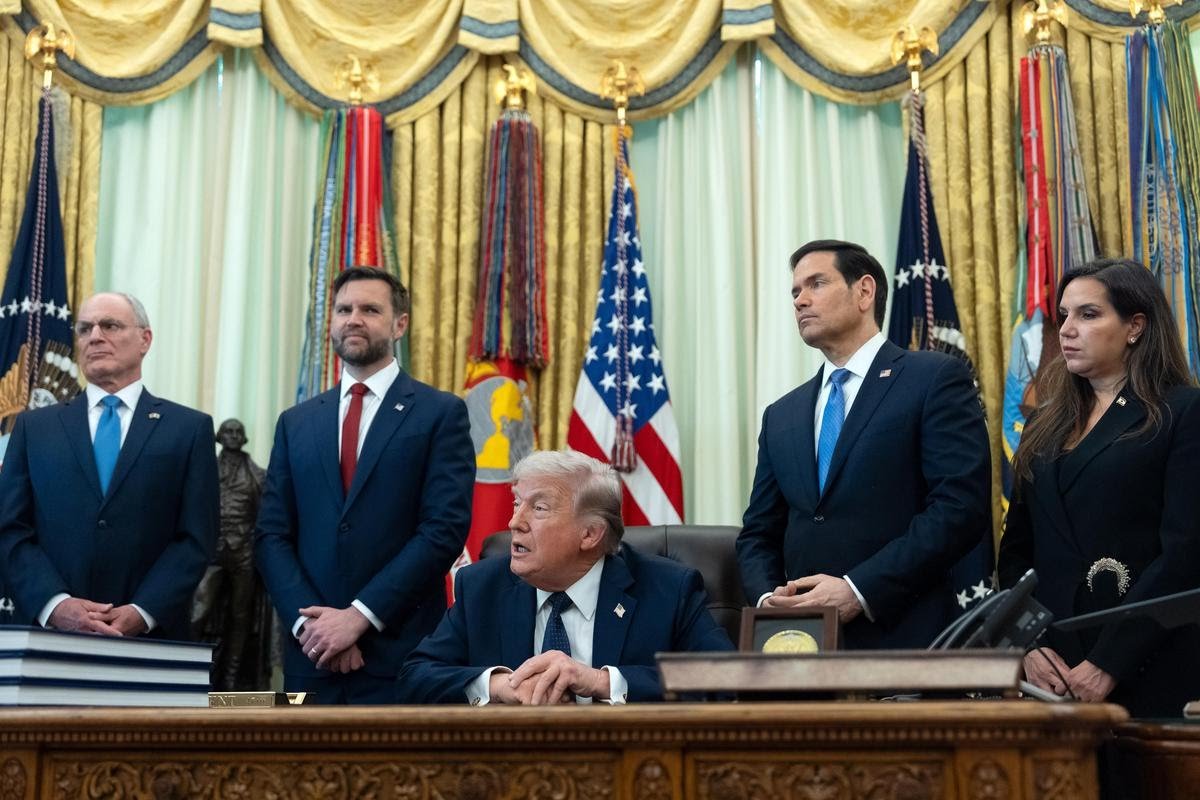
President Trump met with Israeli Ambassador Yechiel Leiter and Lebanese Ambassador Nada Hamadeh Moawad for what he described as a highly productive second round of high-level negotiations.
“The meeting went very well,” Trump told reporters in the Oval Office. “The United States is going to work with Lebanon in order to help it protect itself from Hezbollah.”
The President also indicated that he expects to host Israeli Prime Minister Benjamin Netanyahu and Lebanese President Joseph Aoun in Washington within the coming weeks to further formalize the peace process.
Strategic Goals and Challenges
Despite the diplomatic progress, the situation remains fragile. While the Lebanese government has entered direct talks for the first time in decades, Hezbollah remains a major wildcard. The militant group was not a formal signatory to the agreement and has expressed “conditional acceptance” while warning against any continued Israeli military presence on Lebanese soil.
The primary objectives for the upcoming three weeks include:
Border Stabilization: Finalizing the deployment of Lebanese Armed Forces (LAF) along the southern border.
Troop Withdrawal: Establishing a timeline for the withdrawal of Israeli forces from Lebanese territory.
Sovereignty Support: Coordinating international aid to strengthen the Lebanese government’s authority over non-state actors.
A Pivot Toward Permanent Peace
The extension is viewed as a major victory for the Trump administration’s “peace through strength” approach in the Middle East. Secretary of State Marco Rubio and Vice President JD Vance were also present at the talks, signaling the administration’s high-level commitment to the deal.
Israeli Ambassador Leiter expressed optimism, stating, “We hope that together, under your leadership, we can formalize peace between Israel and Lebanon in the very near future.”
As the new deadline approaches, all eyes remain on the northern border, where both sides have maintained a tense but largely respected silence since the truce first took effect.