
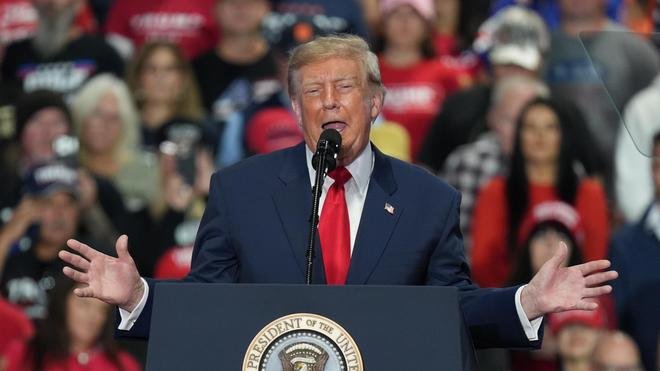
Source The Hindu
Trump Expresses Anger Over Nobel Decision
US President Donald Trump has criticised Norway over the decision not to award him the Nobel Peace Prize, saying the country will carry an “indelible stain” for overlooking him. His remarks have brought fresh attention to his long-running desire to receive the prestigious award and his views on international recognition.
The Nobel Peace Prize is one of the world’s best-known awards. It honours people and organisations that make major efforts to promote peace, reduce conflict and improve relations between nations. For Trump, receiving the prize would be a major personal and political achievement.
His strong words reflect his disappointment with the decision and have added another chapter to the debate over his claims about his role in global peace efforts.
Why Trump Wants the Nobel Peace Prize
Trump has repeatedly highlighted his role in international diplomacy and has argued that his efforts to reduce conflicts deserve greater recognition. During his political career, he has pointed to diplomatic agreements and his attempts to improve relations between rival countries as evidence of his work for peace.
Supporters of the US president say his approach to foreign policy deserves attention and that his efforts to bring opposing sides to the negotiating table should not be ignored.
However, the Nobel Peace Prize is awarded by an independent committee, which considers nominations and assesses candidates based on their contributions to peace. Political leaders cannot decide who receives the award, and public demands do not guarantee a nomination or victory.
The decision has therefore remained a source of frustration for Trump, who has often spoken about his desire to receive the honour.
Norway and the Nobel Committee
Although the Nobel Peace Prize ceremony takes place in Norway, the award is decided by the Norwegian Nobel Committee. The committee operates independently and follows its own process for selecting the winner.
This distinction is important because criticism directed at Norway as a country does not necessarily reflect the way the award is decided. The committee’s work is separate from the Norwegian government’s political decisions.
The Nobel Peace Prize has a long history of recognising individuals and groups whose actions are considered important for peace. Its winners have included political leaders, human rights campaigners and organisations working to protect people affected by conflict.
Every year, the announcement attracts worldwide attention, and the choice of winner can lead to praise, debate and criticism.
A Political Message With Wider Impact
Trump’s remarks may also have political meaning beyond his personal disappointment. His statements often appeal to supporters who believe that his achievements have not received enough credit from international institutions and established political groups.
At the same time, the comments could invite criticism from those who believe that the Nobel Peace Prize should remain separate from political pressure and personal demands.
The controversy highlights the close connection between global politics, public image and international recognition. For world leaders, awards can become symbols of success, influence and historical standing.
The Debate Over Peace and Recognition
The disagreement raises a wider question: how should the world measure a leader’s contribution to peace? Some people focus on diplomatic agreements and efforts to stop conflicts, while others look at the long-term results of those actions.
Ultimately, the Nobel Peace Prize is decided by the committee, not by public pressure or political statements. Trump’s criticism of Norway has made his disappointment clear, but the debate over his record on peace is likely to continue.
For now, the controversy serves as another reminder that international awards can carry political weight far beyond the ceremony itself.









