
Source The guardian
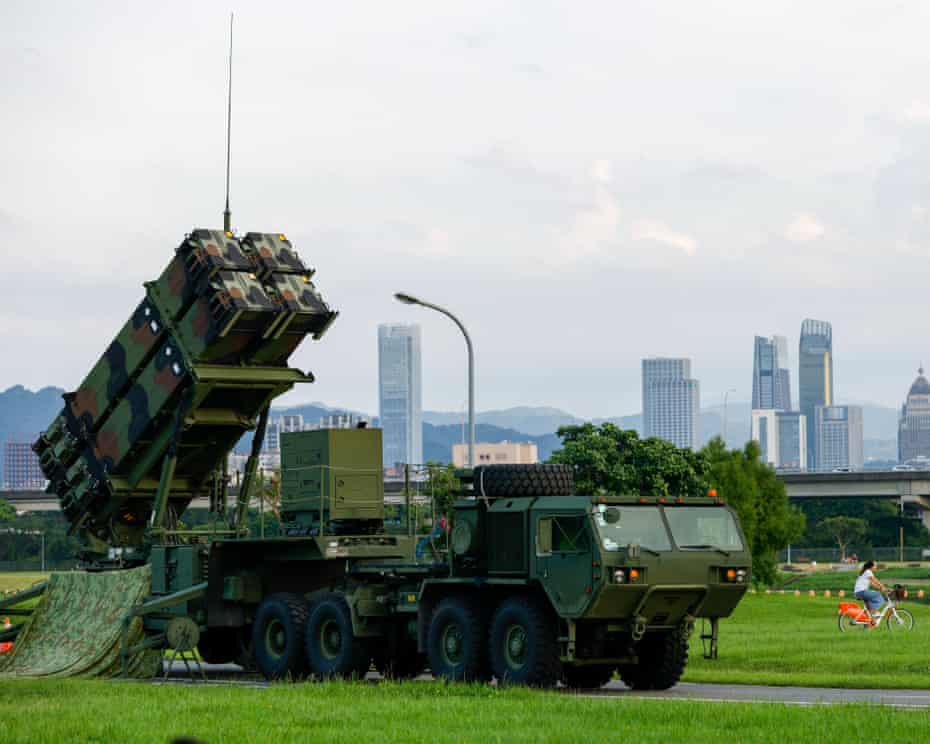
The United States has temporarily paused a major arms sale to Taiwan, citing the need to prioritise military resources for its ongoing conflict with Iran, according to senior defence officials.
At a recent congressional hearing, Acting US Navy Secretary Hung Cao confirmed that Washington is holding back a proposed weapons package worth approximately $14 billion. The decision, he said, is intended to ensure that the US military maintains sufficient munitions for its operations in the Iran war, codenamed “Epic Fury.”
Cao clarified that the pause is precautionary rather than permanent. He noted that arms sales to Taiwan are expected to resume once the administration is satisfied with current stockpile levels. The final decision on whether and when to proceed rests with top officials, including the US Secretary of State and the Defence Secretary.
The move comes at a time when the United States is deeply engaged in a prolonged military confrontation with Iran, which began earlier in 2026 and has placed increasing pressure on American defence resources.
However, the development has raised concerns among US lawmakers. Some, including senior senators, have expressed unease over delays in supporting Taiwan, viewing the island as a critical partner in the Indo-Pacific region amid rising tensions with China.
Taiwan’s government, meanwhile, has stated that it has not received any formal notification from Washington regarding a pause or change in the arms deal. Officials in Taipei have reiterated their expectation that defence cooperation with the United States will continue as planned.
The pause also comes against the backdrop of delicate US-China relations. Beijing has consistently opposed American arms sales to Taiwan, which it considers part of its territory, and has warned that such actions could escalate regional tensions.
Analysts say the decision reflects a broader strategic balancing act by Washington—managing simultaneous security commitments in the Middle East and the Indo-Pacific, while navigating complex geopolitical rivalries.









