
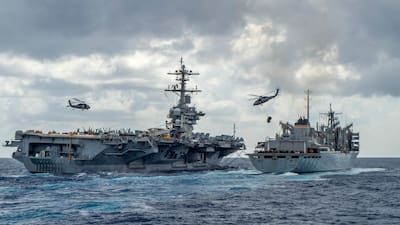
Source NDTV World
The US Military has carried out its eleventh consecutive night of airstrikes targeting sites in Iran, marking a significant escalation in ongoing hostilities between the two nations. The sustained military campaign has heightened concerns of a broader regional conflict, as tensions continue to rise across the Middle East.
According to defense officials, the latest strikes were aimed at strategic military installations, including weapons storage facilities and command centers allegedly linked to Iran-backed operations in the region. The Pentagon stated that the strikes were “precision-based” and intended to degrade Iran’s operational capabilities without targeting civilian infrastructure.
Iranian authorities, however, condemned the attacks as a violation of sovereignty and warned of “serious consequences.” State media reported damage in multiple areas, though exact casualty figures remain unclear. Officials in Tehran have vowed retaliation, raising fears of further escalation.
The ongoing conflict follows a series of confrontations involving Iran-backed groups and US forces stationed in the region. Analysts suggest that the repeated strikes signal a shift from limited responses to a more sustained military strategy by Washington.
International reactions have been mixed. While some allies have expressed support for the US actions, others have urged restraint and called for diplomatic efforts to prevent a full-scale war. The United Nations has reiterated its appeal for de-escalation and dialogue.
As the situation unfolds, global markets and energy supplies are also being closely monitored, with fears that prolonged instability in the region could disrupt oil flows and impact the global economy.
With no immediate signs of de-escalation, the conflict between the United States and Iran appears to be entering a critical phase, with potential implications far beyond the region.









