Source telegraph India
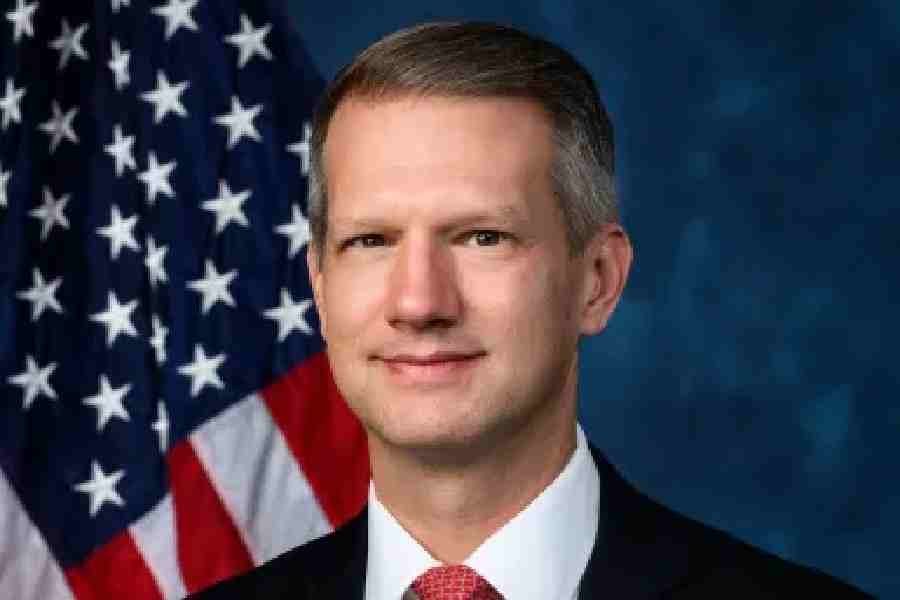
In a development that could have implications for diplomatic engagement, US Congressman Riley Moore has raised concerns over recent amendments to India’s Foreign Contribution (Regulation) Act (FCRA), cautioning that the changes may impact India-US relations.
Speaking during a policy discussion, Moore highlighted that the amendments could place stricter controls on the flow of foreign funds to non-governmental organizations (NGOs) operating in India. He suggested that such measures might affect civil society operations and could raise questions among international stakeholders about transparency and regulatory balance.
The FCRA, originally enacted to regulate foreign donations and ensure they are not used for activities detrimental to national interest, has undergone multiple revisions in recent years. The Indian government maintains that these amendments are necessary to enhance accountability, prevent misuse of funds, and safeguard national security.
However, critics, including some international observers, argue that tighter regulations may restrict the functioning of NGOs, particularly those involved in advocacy and humanitarian work. Moore echoed similar concerns, stating that a healthy civil society is vital for a strong democracy and that regulatory frameworks should not hinder legitimate activities.
Diplomatic analysts note that while India and the United States share a robust strategic partnership, differences over policy issues such as regulatory laws and civil liberties occasionally surface. Moore’s remarks, though not representing official US government policy, reflect a segment of opinion within American political circles.
Responding to such concerns in the past, Indian officials have reiterated that the FCRA amendments are internal matters aimed at strengthening governance and that all organizations must comply with the law regardless of origin.
As both nations continue to deepen cooperation in areas like trade, defense, and technology, observers believe that dialogue and mutual understanding will be key to addressing such differences without affecting broader ties.
The situation is likely to be closely watched, particularly by international organizations and diplomatic communities, as it unfolds in the coming weeks.