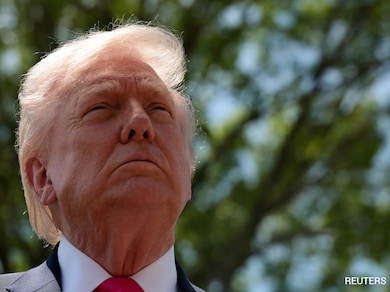
Source NDTV
Amid escalating tensions in the Middle East, U.S. President Donald Trump has announced that an American delegation will travel to Islamabad on Monday to resume high-stakes negotiations with Iran. The talks are seen as a crucial attempt to prevent further escalation as a fragile ceasefire between the two nations nears its expiration.
The upcoming meeting will mark another round of direct negotiations hosted by Pakistan, which has emerged as a key mediator in the conflict. Previous discussions ended without a breakthrough, with both sides remaining divided on core issues such as Iran’s nuclear program and broader regional security concerns.
Trump, in a strongly worded statement, accused Iran of violating the ceasefire by engaging in hostile activity near the strategically vital Strait of Hormuz. He warned that failure to reach an agreement could trigger severe U.S. retaliation, including potential strikes on critical infrastructure.
The renewed diplomatic push comes amid growing uncertainty over global energy supplies, as tensions around the Strait of Hormuz—a key oil shipping route—continue to impact markets worldwide. Iran’s shifting stance on the reopening of the passage has further complicated negotiations.
While Washington has expressed cautious optimism about reaching a deal, Tehran has not officially confirmed its participation in the upcoming talks. Analysts suggest that deep-rooted mistrust, along with ongoing military posturing, could hinder progress despite increasing international pressure to de-escalate.
With the ceasefire deadline approaching, the Islamabad talks are being viewed as a critical opportunity to avoid a wider regional conflict. Diplomatic efforts remain intense, but the path toward a lasting resolution continues to face significant challenges.