
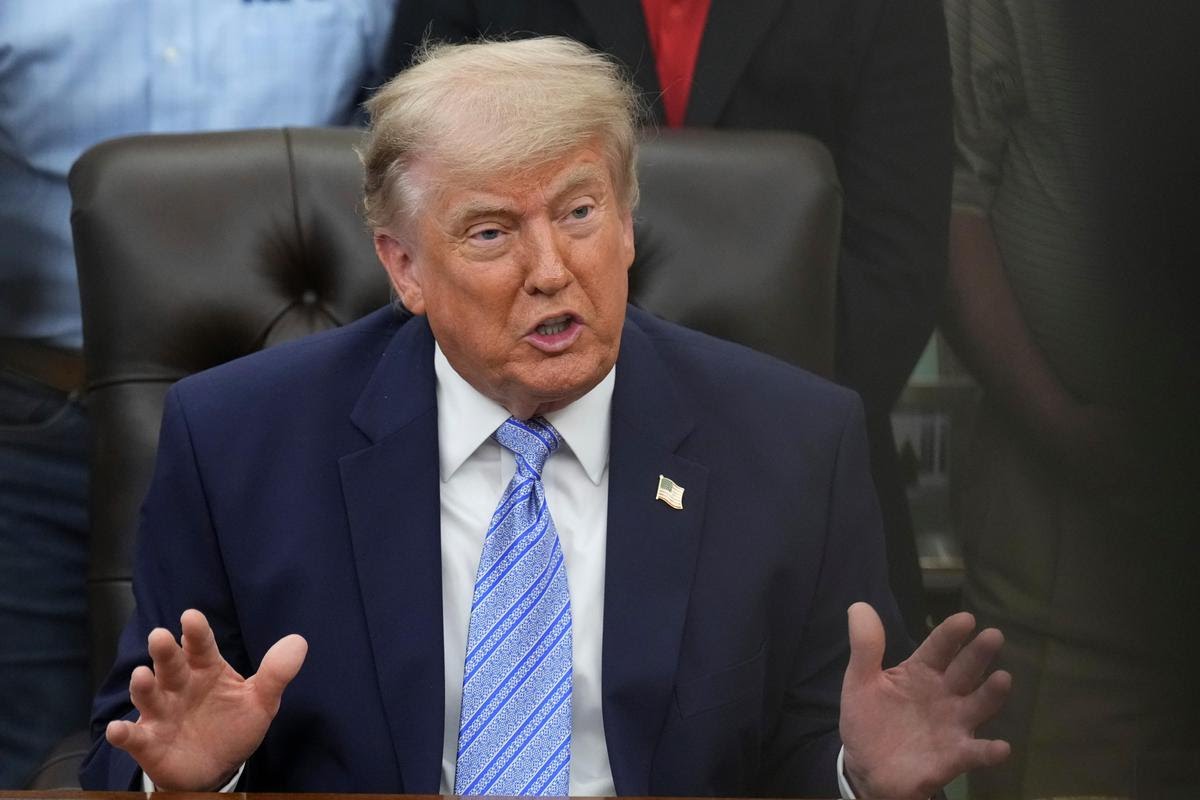
Source The Hindu
The ongoing conflict involving Iran and Israel continues to see heightened diplomatic activity, with the United States indicating that a final agreement with Iran remains out of reach. U.S. President Donald Trump has stated that Washington is “not satisfied” with the current terms being discussed, despite ongoing negotiations aimed at ending hostilities.
Speaking during a recent meeting, Trump emphasized that while Iran appears eager to secure a deal, the proposals on the table do not yet meet U.S. expectations. He suggested that negotiations would continue but warned that alternative measures could be considered if a satisfactory agreement is not reached. �
Reuters
The conflict, which has drawn in regional dynamics involving Iran and Israel, has already seen military escalations, including U.S. strikes and increased tensions across the Middle East. Efforts to broker peace have focused on issues such as Iran’s nuclear program, sanctions relief, and broader regional security concerns.
Reports indicate that Iran has proposed terms that include sanctions easing and guarantees related to military activity. However, these proposals have faced resistance from the U.S., with Trump previously rejecting similar offers and reiterating that the conditions must significantly improve before any agreement is finalized.
Complicating matters further are disagreements over additional conditions tied to the deal, including ceasefire arrangements in other parts of the region and the reopening of key strategic routes like the Strait of Hormuz. Meanwhile, military operations and proxy conflicts continue, raising concerns about the stability of any potential ceasefire.
The White House has also dismissed claims from Iranian sources suggesting that a preliminary deal has already been reached, reaffirming that negotiations are still ongoing and far from conclusion.
As diplomatic efforts continue, the situation remains fluid, with global stakeholders closely monitoring developments. The outcome of these negotiations could have far-reaching implications for regional stability, energy markets, and international relations.









