Source The Hindu
NEW DELHI — November 13, 2026
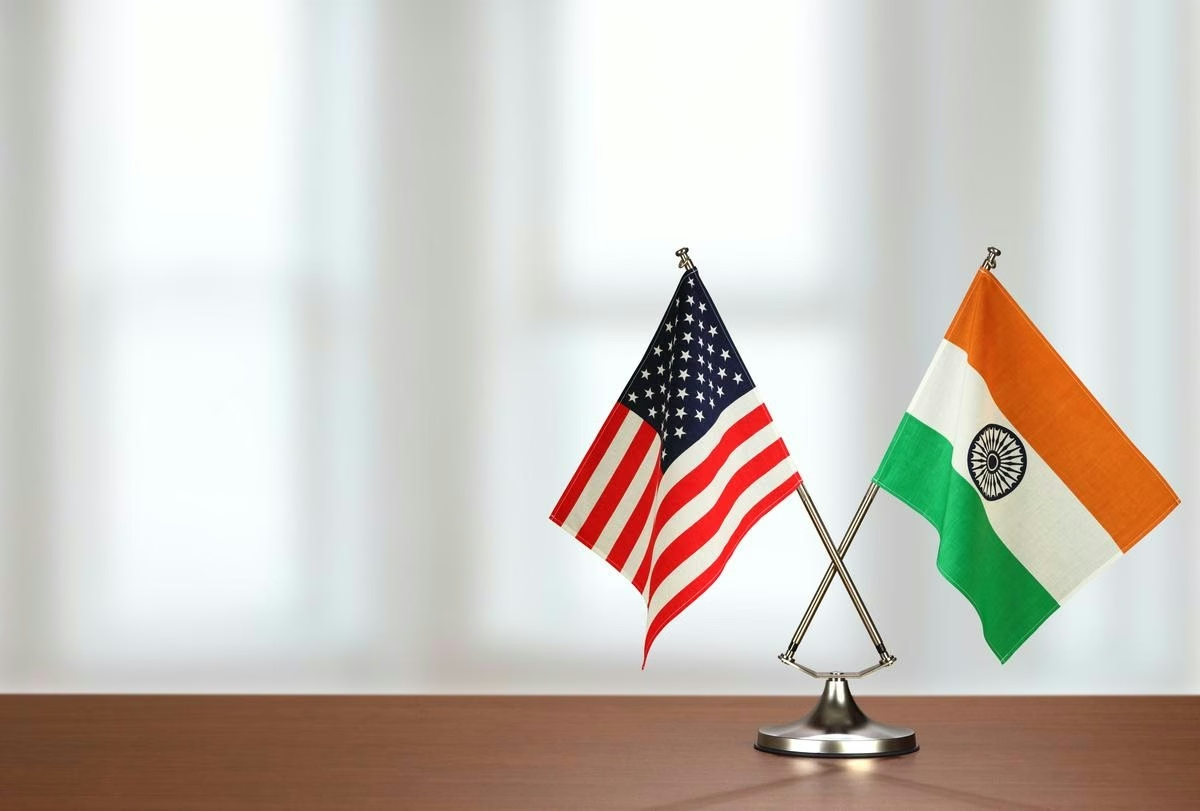
In a significant boost for Indian exporters, the United States has assured India of a “comparative tariff advantage” over its global competitors under the proposed Bilateral Trade Agreement (BTA). Senior Indian government officials confirmed on Friday that negotiations are progressing steadily, with both nations aiming to finalize the first tranche of the deal before the end of the current financial year.
The assurance comes at a critical juncture as Washington recalibrates its broader global trade architecture. Earlier this year, the U.S. Supreme Court struck down the administration’s previous reciprocal tariff regime, prompting Washington to initiate a sweeping Section 301 investigation into trade and labor practices across 60 economies. While the final U.S. tariff schedule remains contingent on the outcome of that probe, American negotiators have committed to ensuring that Indian goods retain a competitive duty edge over rival exporting nations.
Safeguarding Mutual Commitments
To insulate the agreement against sudden policy shifts, negotiators have incorporated a specialized safeguard mechanism. According to officials familiar with the discussions, the pact includes a reciprocal modification clause: if either country unilaterally alters its tariffs beyond agreed parameters in the future, the other nation reserves the right to adjust its own trade concessions accordingly.
“The U.S. side has assured us of a comparative advantage over our competitors,” a senior official stated, noting that while the exact contours of Washington’s upcoming tariff structure are still unfolding, New Delhi’s competitive positioning has been factored into the framework.
Progress on the Ground
Momentum behind the agreement accelerated earlier this month when a delegation of U.S. trade officials visited New Delhi for two days of intensive talks focused on customs procedures and trade facilitation. Commerce Secretary Rajesh Agrawal noted that the discussions moved in a “very positive direction,” resulting in convergence on several key chapters. Chief negotiators from both countries continue to hold regular virtual meetings to resolve remaining textual and technical details.
Commerce and Industry Minister Piyush Goyal echoed this optimism earlier this week, stating that New Delhi is on track to secure “one of the best deals with the U.S.”
Scope and Sensitive Sectors
The initial phase of the trade pact focuses strictly on merchandise goods, with complex issues surrounding information technology and professional services deferred to a second tranche of negotiations.
Meanwhile, New Delhi has maintained firm red lines around sensitive domestic sectors. Minister Goyal recently reiterated that India will not open its dairy market to foreign competition or permit the import of genetically modified (GM) agricultural products, citing strict domestic and religious sensitivities.
With Prime Minister Narendra Modi and U.S. President Donald Trump scheduled to cross paths at upcoming multilateral summits—including the Quad Leaders’ Summit in the Philippines next week and the G20 Summit in the United States next month—officials remain confident that political momentum will carry the first phase of the trade agreement across the finish line by March 2027.