Source The Hindu
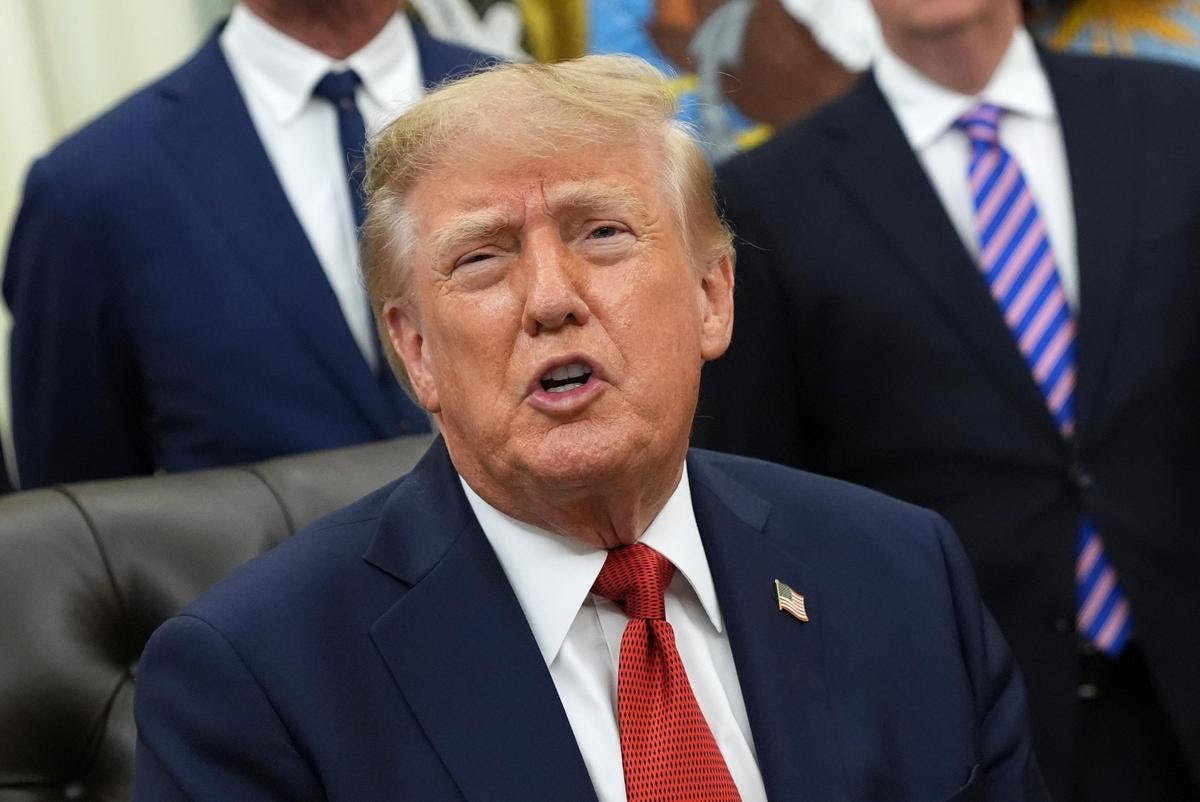
WASHINGTON — Facing veto-proof majorities and rare bipartisan defiance from Capitol Hill, President Donald Trump signed legislation penalizing Russia for interfering in the 2016 U.S. presidential election and for ongoing military aggression in Ukraine and Syria.
The Countering America’s Adversaries Through Sanctions Act (CAATSA) passed the House of Representatives by a 419–3 margin and cleared the Senate 98–2. Those lopsided votes eliminated any realistic prospect of a presidential veto, leaving the White House little option but to sign the measure or face an override. The law also includes punitive economic measures directed at Iran and North Korea.
The legislation introduces secondary sanctions targeting vital sectors of the Russian economy, including defense, intelligence, energy pipelines, and mining operations. Most consequential for presidential authority, however, is a provision granting Congress the power to review and potentially block any executive attempt to ease or lift sanctions against Moscow. Lawmakers inserted the mechanism to prevent the White House from offering unilateral concessions to Russian President Vladimir Putin.
President Trump accompanied his signature with two critical signing statements, branding the legislation “seriously flawed”.
“In its haste to pass this legislation, the Congress included a number of clearly unconstitutional provisions,” Trump said in his statement, arguing that the bill infringes upon the executive branch’s constitutional authority to conduct foreign diplomacy and negotiate international agreements. Trump warned that handcuffing presidential discretion makes it harder to broker strategic deals for the country while inadvertently driving Moscow closer to rivals like Beijing.
On Capitol Hill, lawmakers across both parties celebrated the enactment as an assertion of legislative oversight and national security resolve. Lawmakers emphasized that election interference and violations of international sovereignty required an unambiguous, codified American response that could not be reversed by executive fiat.
In Moscow, Russian officials responded with swift condemnation, warning that the measures destroy prospects for improved bilateral ties and signaling retaliatory diplomatic expulsions and asset freezes. European allies also voiced concern regarding secondary sanctions that could disrupt joint energy infrastructure initiatives across the continent.
By signing the statute despite sharp constitutional objections, the president avoided an embarrassing defeat on Capitol Hill. Yet the new law establishes a rigid framework around U.S.–Russia policy, ensuring that any future diplomatic thaw between Washington and Moscow must first run the gauntlet of congressional approval.